What Is the Difference Between Water Damage Restoration and Water Damage Remediation?
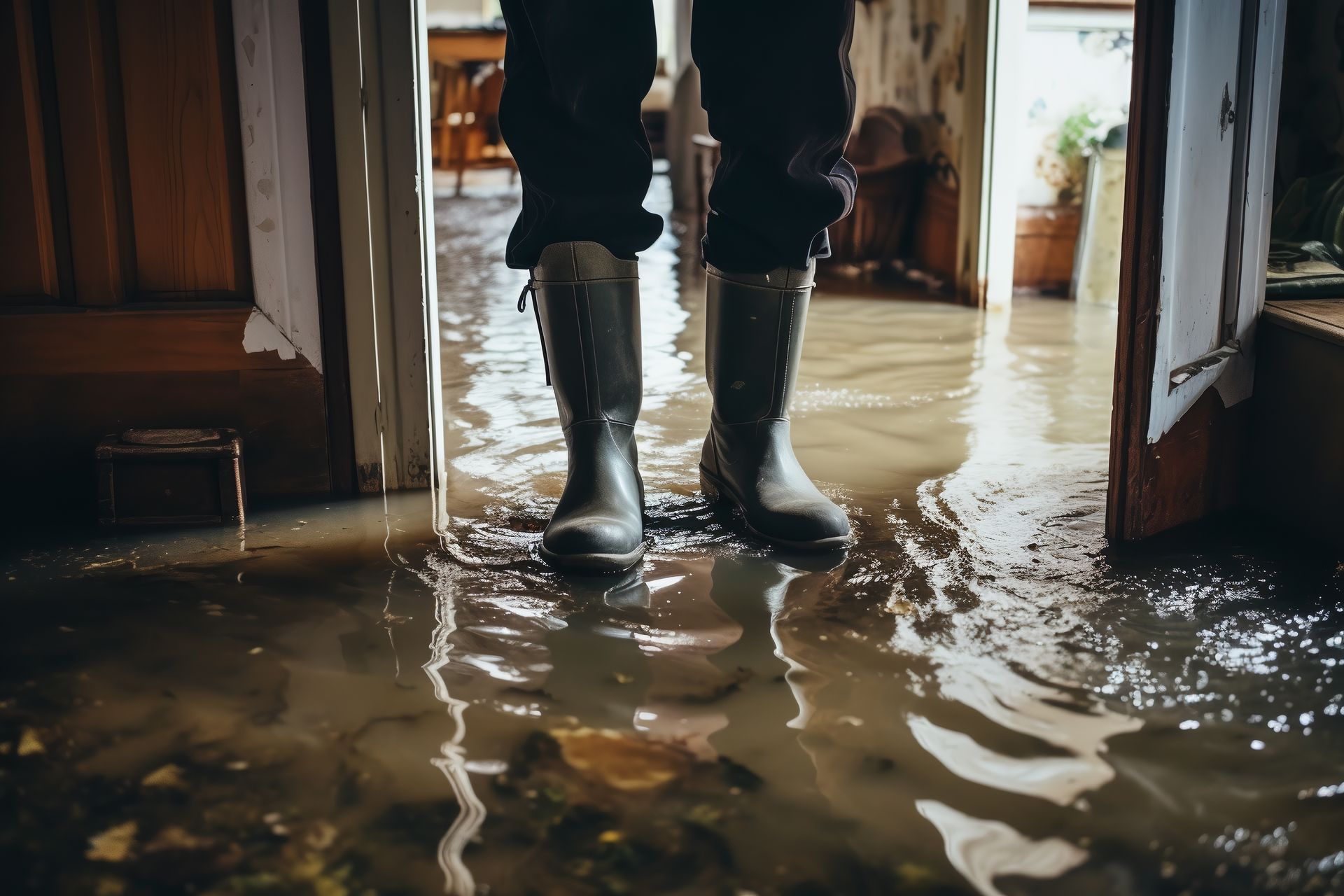
When water damage hits your home, the terminology alone can feel overwhelming. Restoration. Remediation. Mitigation. Cleanup. Many homeowners dealing with Salt Lake City water damage tell us the same thing. They just want their house fixed and wonder why there are so many terms. That confusion is completely understandable, especially when you are already stressed, tired, and worried about what comes next.
At SOCOM Restoration, we hear these questions every day from Salt Lake City homeowners experiencing leaks, floods, burst pipes, or appliance failures for the first time. The truth is that while water damage restoration and water damage remediation are closely related, they are not the same thing. Each serves a different purpose, happens at a different stage, and plays a critical role in protecting your home over time.
Understanding the difference helps you make smarter decisions, avoid delays, and prevent costly mistakes. This is especially important with Salt Lake City water damage, where seasonal temperature changes, older construction, and lower level spaces can make moisture problems worse if handled incorrectly. This guide breaks everything down in clear language so you know what each service does, when it is needed, and how it fits into proper recovery.
What Is the Difference Between Water Damage Restoration and Water Damage Remediation?
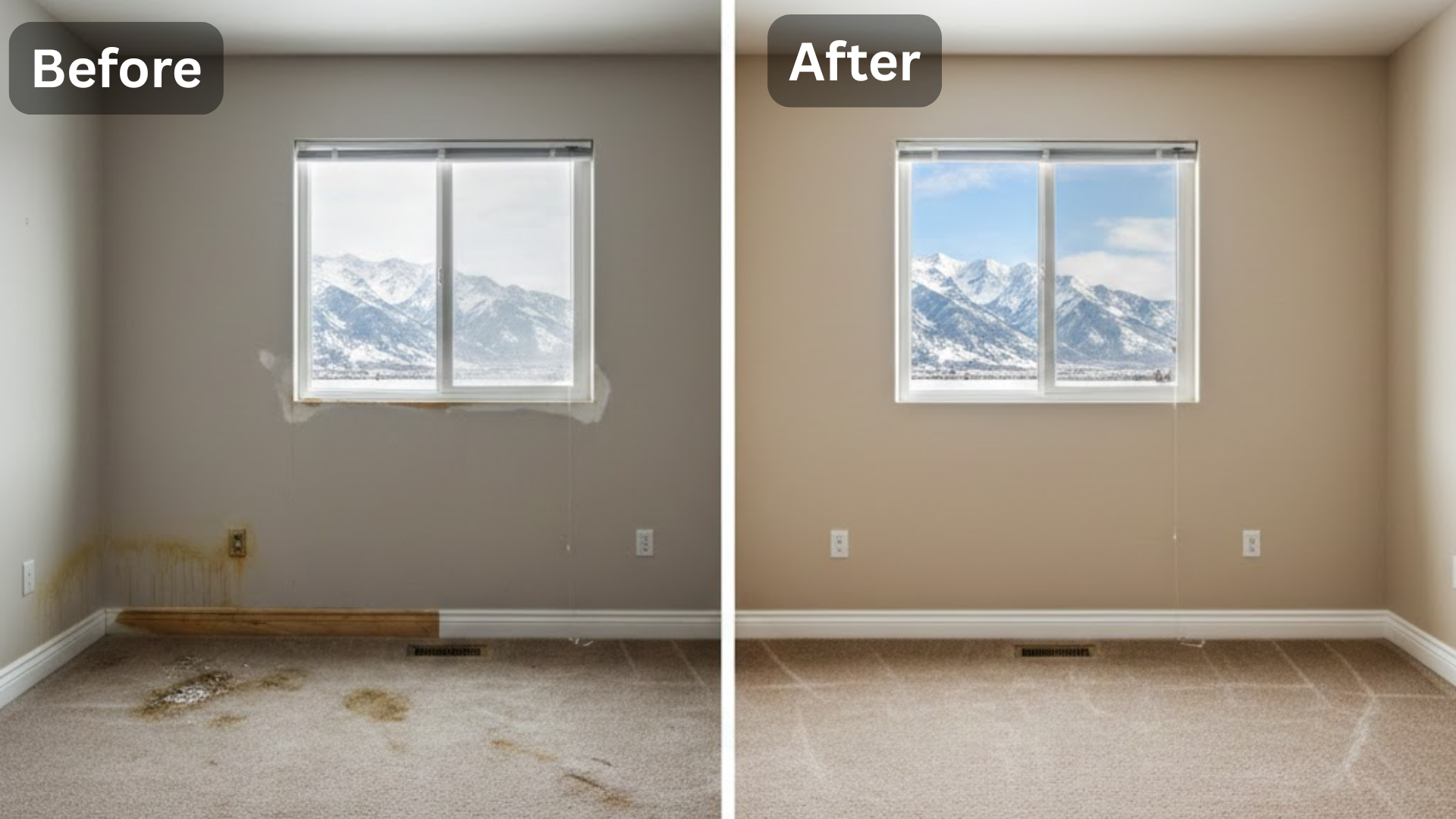
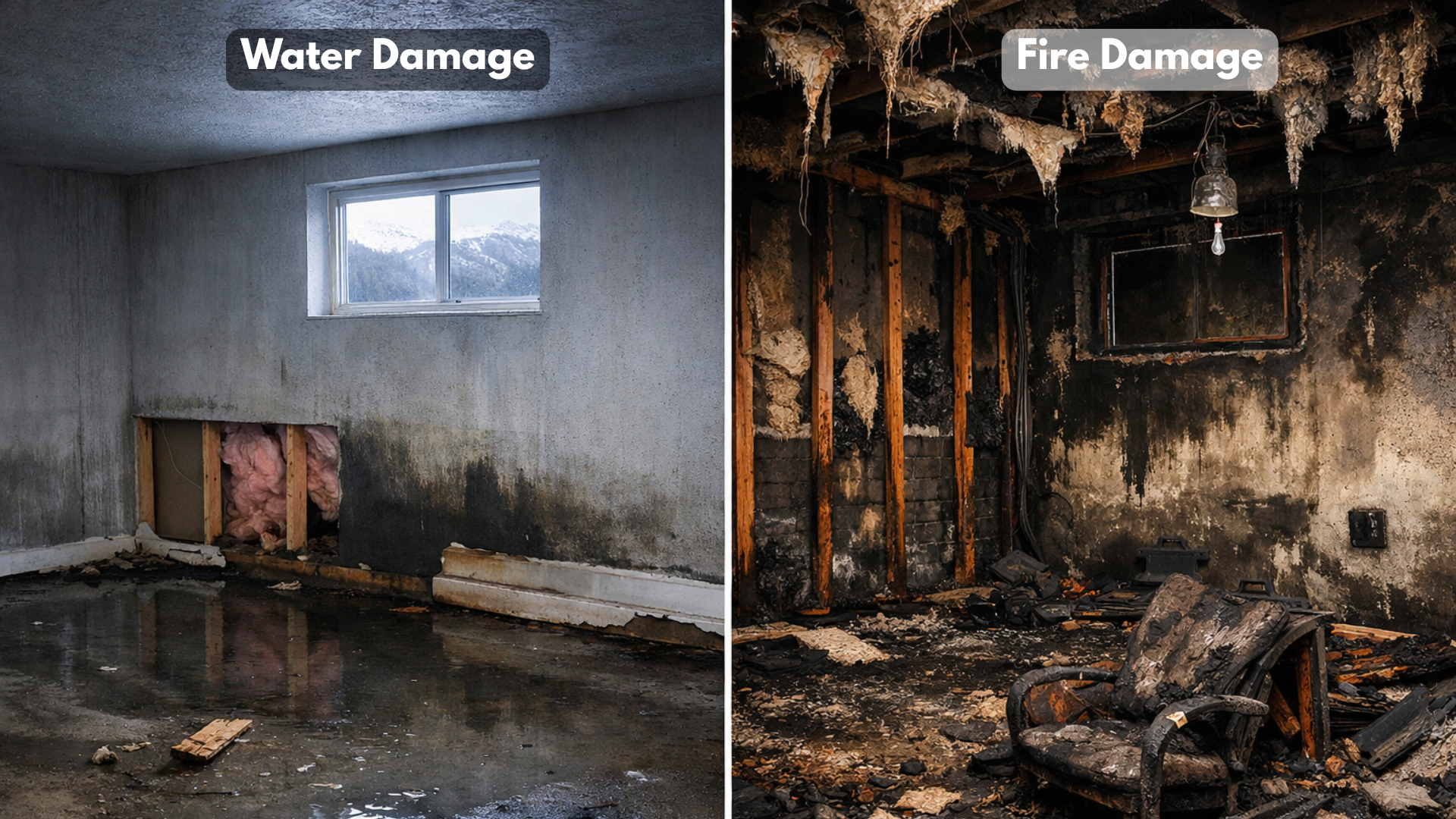
The difference between water damage restoration and water damage remediation lies in their purpose and scope. Water damage remediation focuses on stopping the problem and making the environment safe by removing water, moisture, and contaminants. This includes water extraction, drying, dehumidification, and preventing mold growth.
Water damage restoration focuses on repairing and rebuilding what was damaged to return the property to its original condition. This may include replacing drywall, flooring, cabinets, and structural materials.
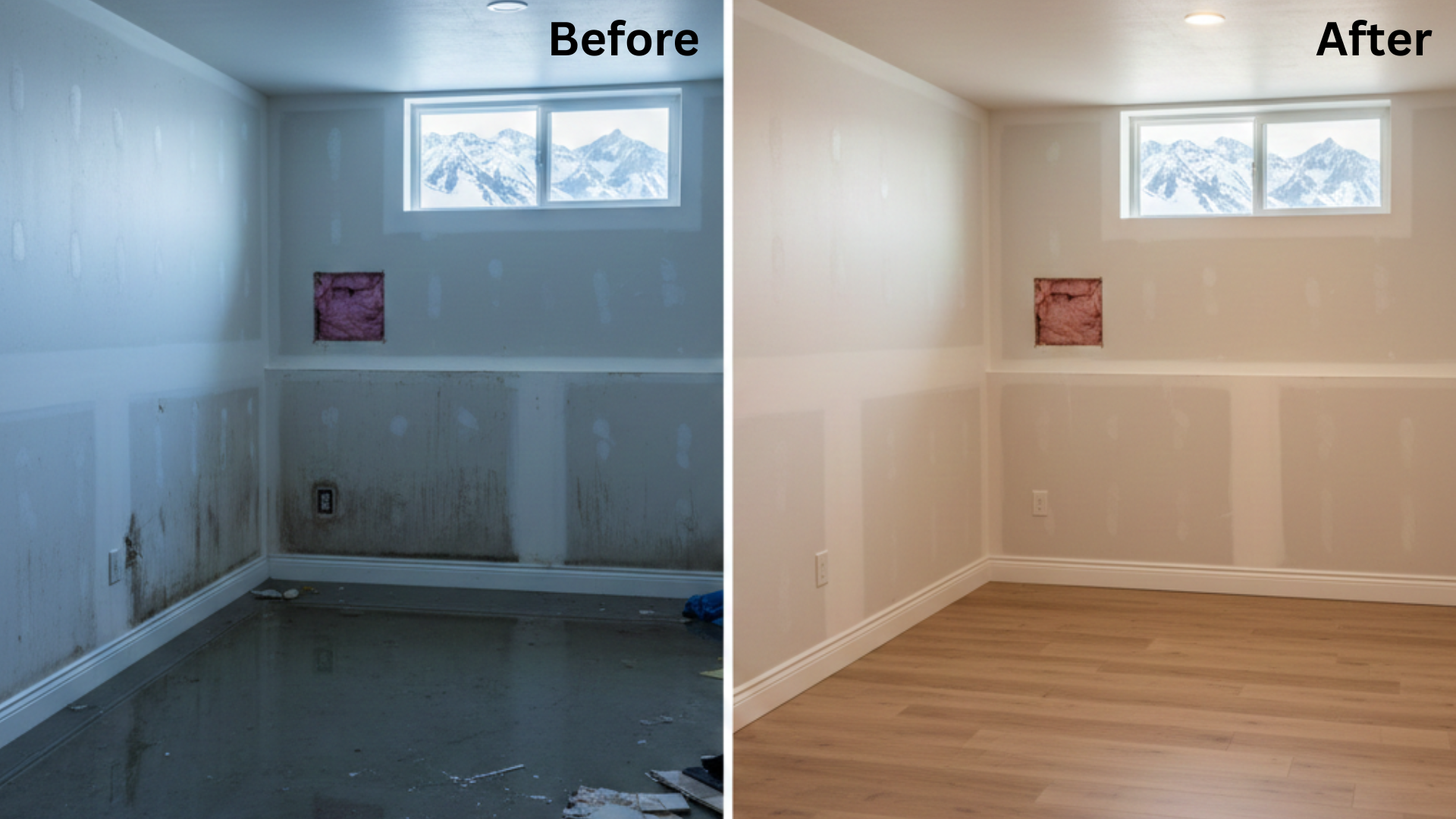
In most Salt Lake City water damage cases, remediation comes first, followed by restoration. Remediation stabilizes the situation and prevents further damage, while restoration rebuilds structure, function, and appearance. Both phases are essential for complete recovery, particularly in homes where moisture can spread quickly and remain hidden behind walls, floors, and ceilings.
Why This Distinction Matters in Salt Lake City
Salt Lake City homes face unique water damage risks that make the difference between remediation and restoration especially important. Freezing winters can cause pipes to burst without warning. Spring runoff can overwhelm drainage systems. Older homes often have foundations, plumbing, and insulation that are more vulnerable to moisture intrusion.
We have seen many Salt Lake City water damage situations where homeowners focused only on visible repairs, such as replacing drywall or flooring, without proper remediation. Weeks or months later, mold appeared behind walls or under new materials. At SOCOM Restoration, we emphasize remediation first because Utah climate conditions allow moisture to linger in hidden spaces longer than many homeowners expect.
Understanding the difference helps homeowners avoid repeat damage, health concerns, and expensive repairs. It is not about doing more work. It is about doing the right work in the right order.
What Is the Difference Between Water Restoration and Remediation?
Water restoration and water remediation serve different but complementary roles in addressing Salt Lake City water damage. Remediation focuses on the cause and the risk. It removes water, dries affected materials, and eliminates conditions that allow mold, bacteria, or structural deterioration to develop.
Restoration focuses on the result. Once the home is dry and safe, restoration repairs and rebuilds what was damaged. This may include drywall, flooring, cabinets, trim, and sometimes structural components. Remediation makes the home safe and stable, while restoration makes it livable and complete again.
In professional water damage projects, remediation must be completed properly before restoration begins. Skipping or rushing remediation often leads to failed repairs, lingering odors, or mold growth hidden behind finished surfaces.
What Is the Difference Between Restorative and Remedial?
The terms restorative and remedial describe different goals within the water damage recovery process. Remedial work addresses immediate hazards, excess moisture, contamination, or unsafe conditions. Its purpose is to stop damage from spreading and stabilize the environment.
Restorative work focuses on returning the home to its original condition. This includes rebuilding, refinishing, and replacing damaged materials. In Salt Lake City water damage scenarios, remedial actions prevent deterioration, while restorative actions bring the home back to normal.
Both phases are necessary, but they occur at different times. At SOCOM Restoration, we guide homeowners through each phase clearly so nothing is missed and expectations remain realistic.
What Happens During Water Damage Remediation?
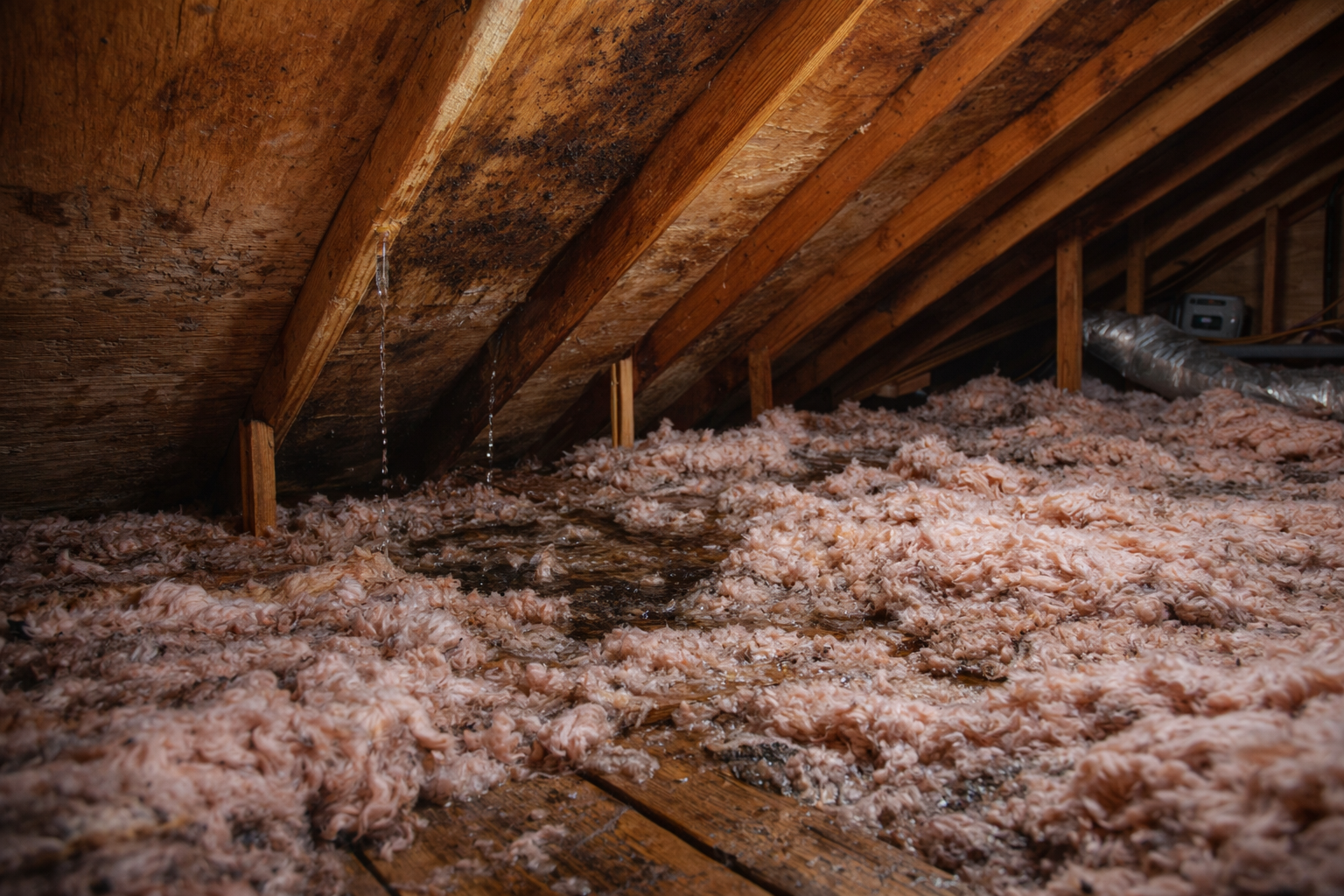
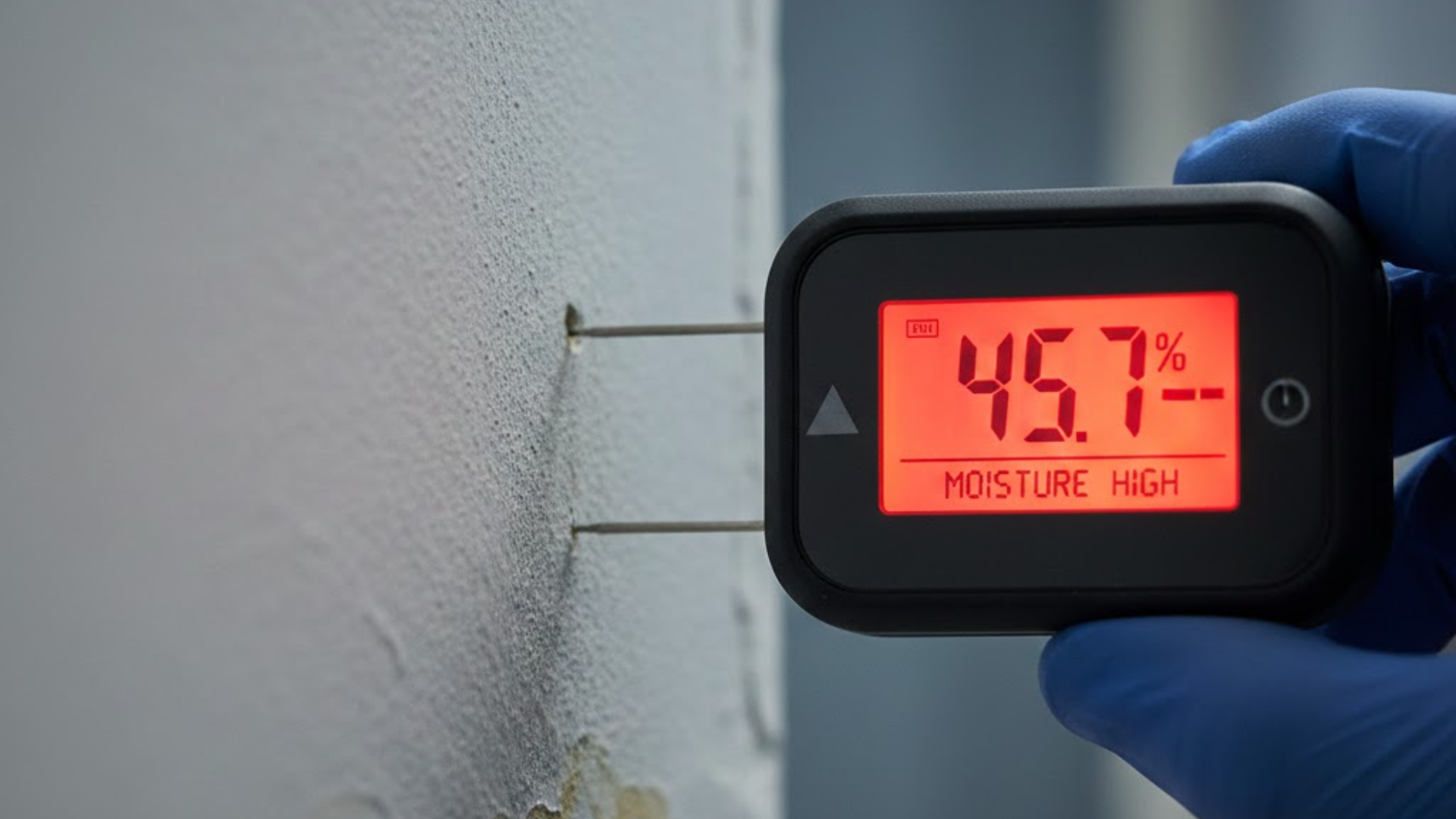
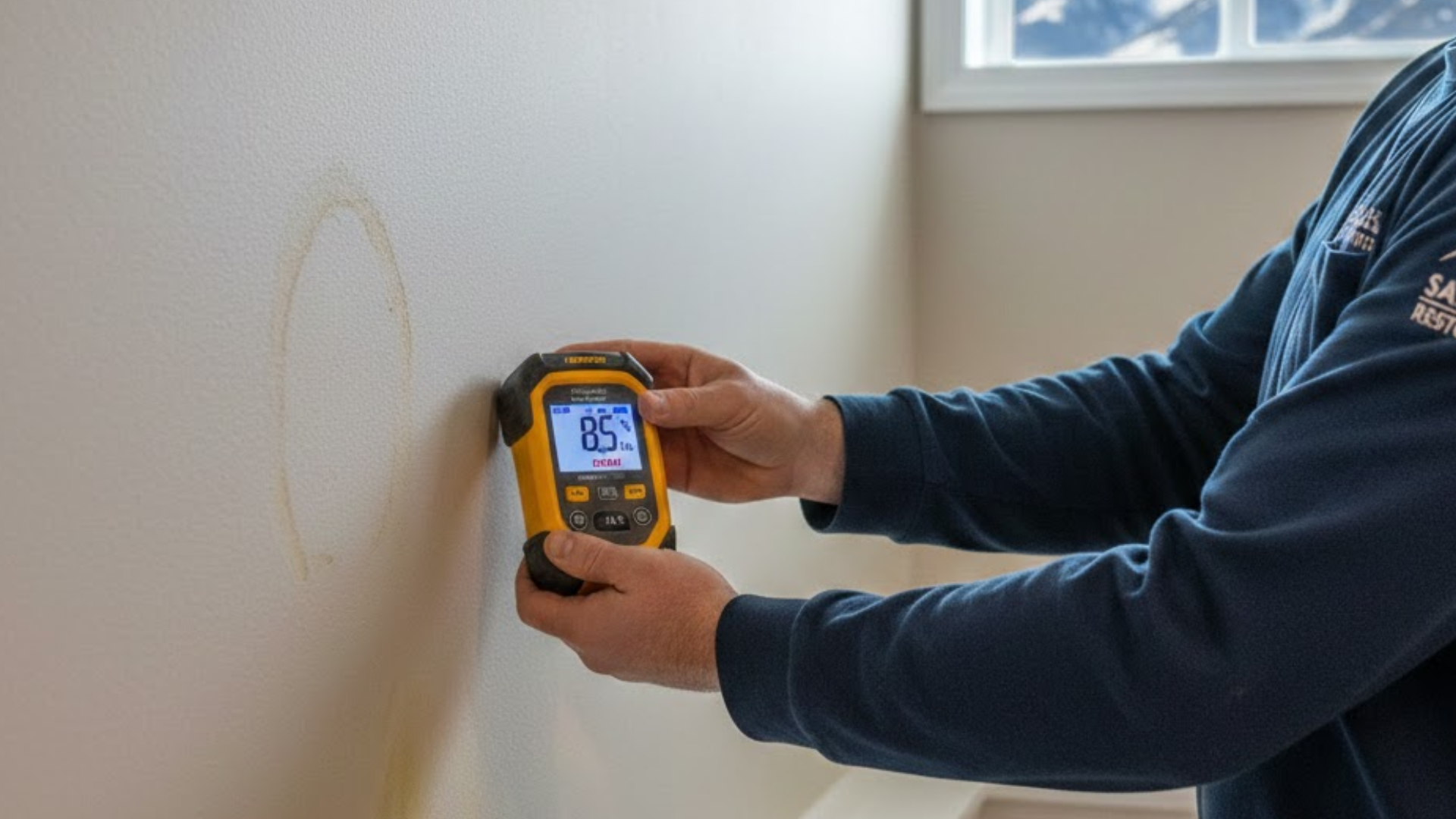
Water damage remediation typically begins with a thorough inspection and moisture assessment. Professionals identify the source of the water, determine contamination levels, and map moisture using meters and thermal imaging. This step is especially important in Salt Lake City water damage, where moisture often hides behind walls or beneath flooring.
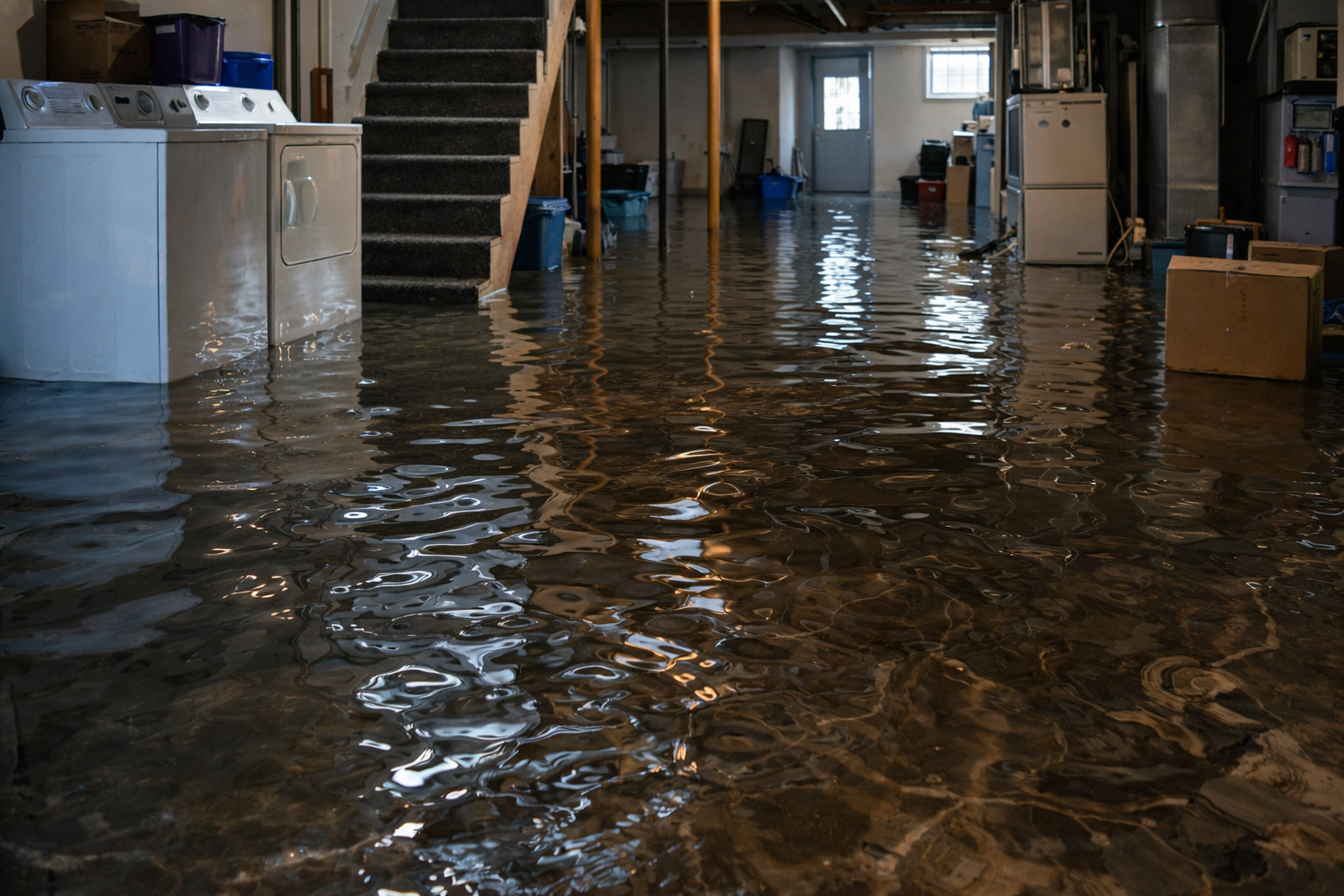
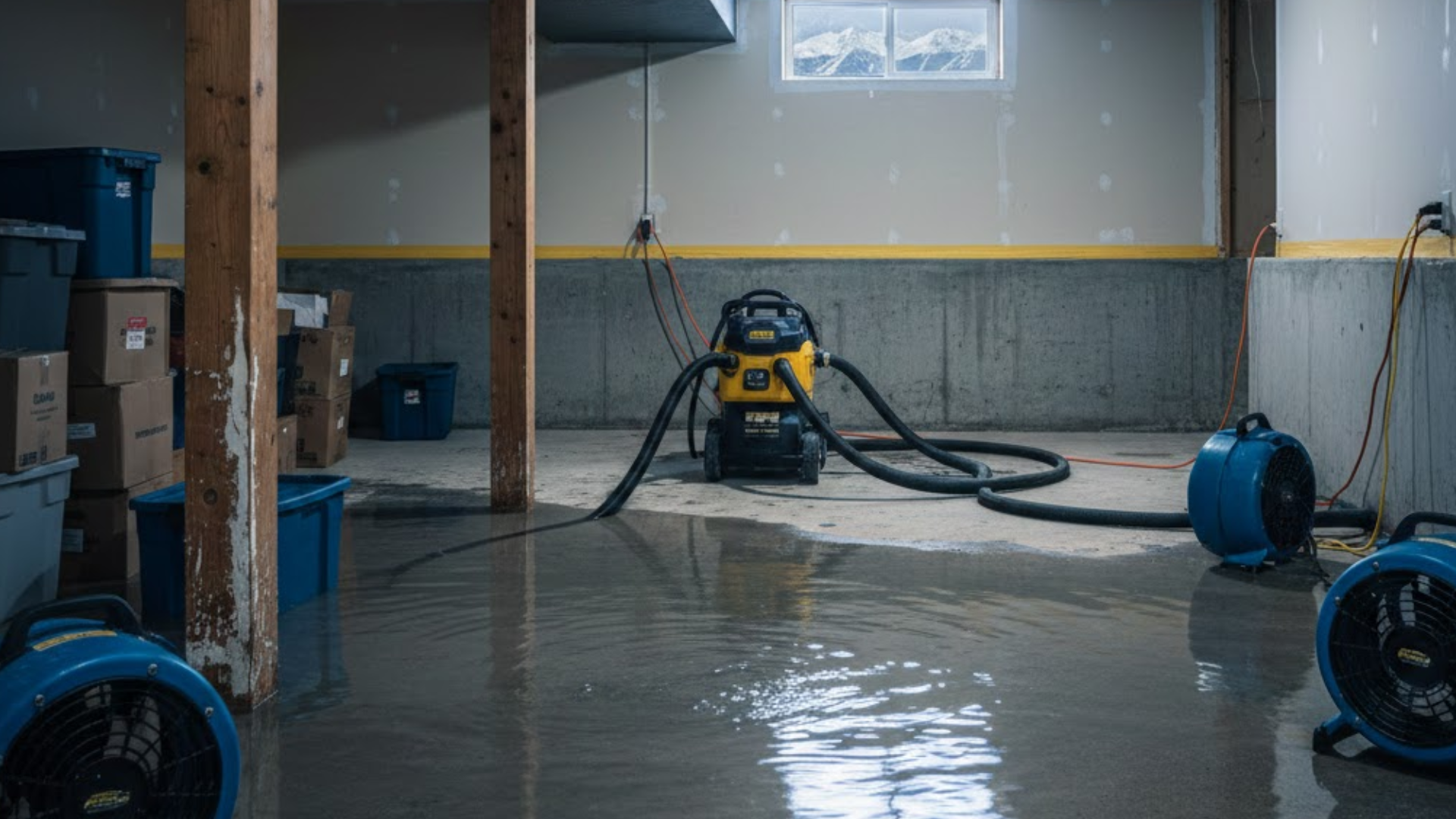
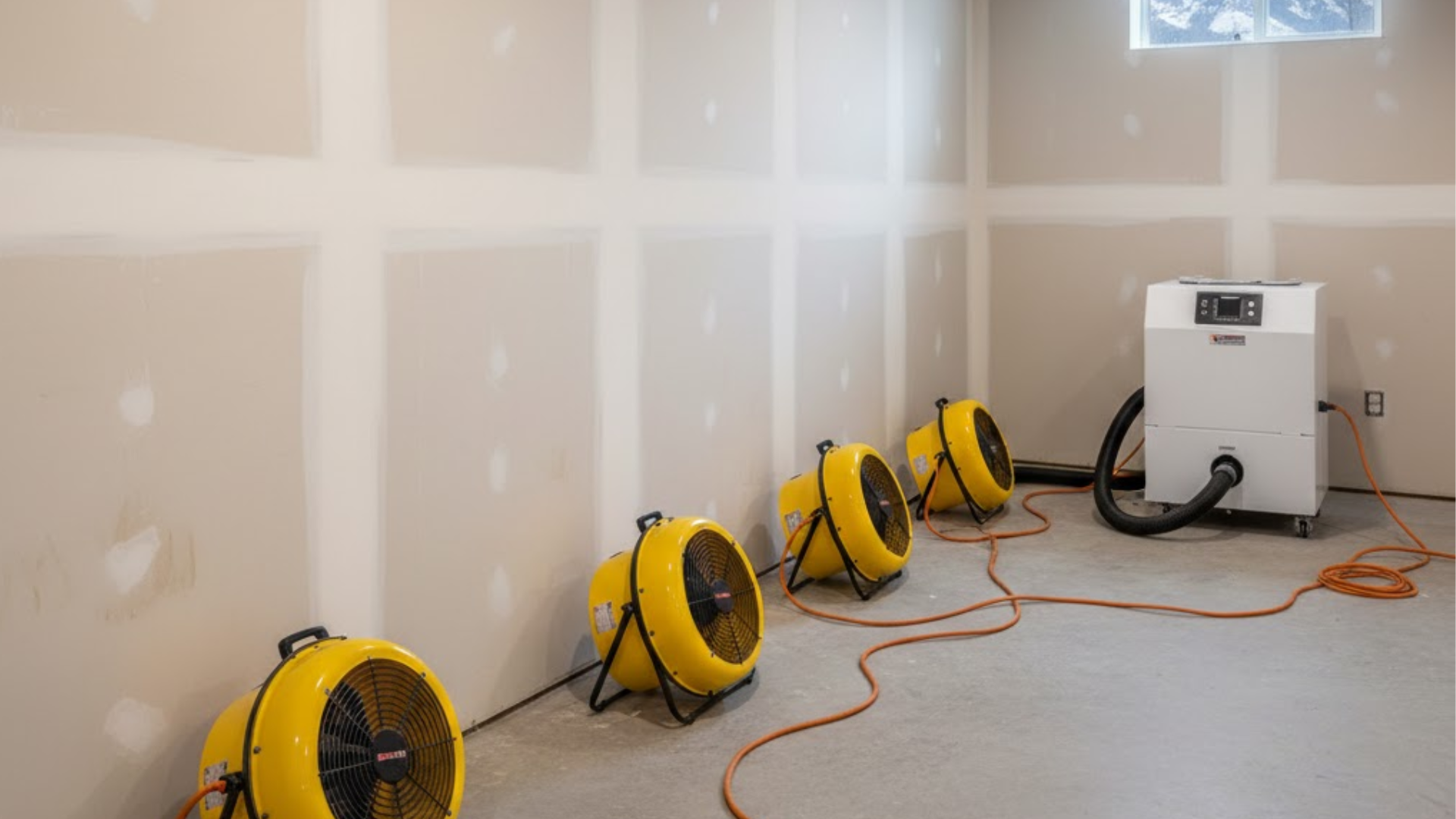
Standing water is extracted using commercial grade equipment. Industrial air movers and dehumidifiers are then installed to control humidity and dry affected materials evenly. In cases involving contaminated water, antimicrobial treatments may be applied to reduce the risk of bacteria and mold growth.
The goal of remediation is not just to dry visible surfaces. It is to eliminate moisture completely. According to the Institute of Inspection, Cleaning and Restoration Certification, incomplete drying is one of the leading causes of mold growth after water damage. Proper remediation protects both structural integrity and indoor air quality.
What Happens During Water Damage Restoration?
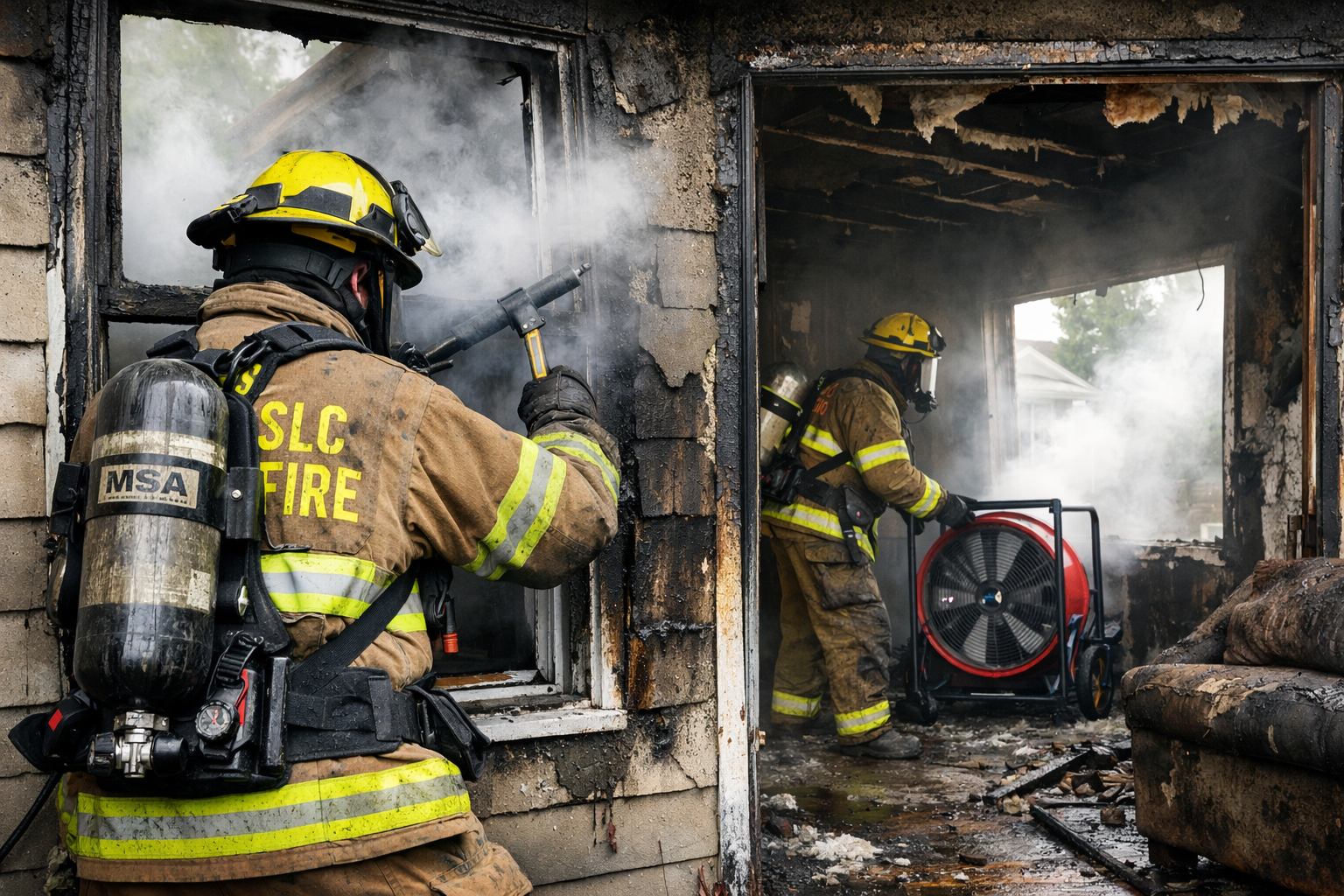
Once remediation is complete and moisture levels are verified as safe, restoration begins. This phase focuses on repairing and rebuilding what was damaged during the Salt Lake City water damage event. Restoration work may include replacing drywall, insulation, flooring, cabinetry, trim, and paint, as well as repairing structural components if needed.
The scope of restoration varies widely. Some homes require only minor cosmetic repairs, while others need full reconstruction of rooms or basements. Restoration is the phase where your home begins to feel normal again. Not just dry, but functional and comfortable.
At SOCOM Restoration, we coordinate remediation and restoration as a single process. Homeowners do not need to manage multiple contractors or worry about missed steps. Everything flows logically from stabilization to rebuilding.
Why Remediation Must Come Before Restoration
Skipping remediation or rushing through it can lead to serious problems. Trapped moisture behind new drywall, flooring, or cabinets creates ideal conditions for mold and rot. Repairs may look good initially but fail months later.
Proper remediation ensures the structure is dry, stable, and safe before rebuilding begins. This approach is especially important for Salt Lake City water damage, where seasonal temperature changes can worsen hidden moisture issues. Taking the time to remediate correctly saves money, prevents repeat damage, and protects property value over time.
How Insurance Views Restoration and Remediation
Insurance companies often distinguish between remediation and restoration when evaluating Salt Lake City water damage claims. Remediation is typically classified as emergency mitigation that stops further damage. Restoration is considered repair and reconstruction.
Clear documentation from a professional restoration company helps ensure both phases are covered appropriately. Detailed moisture readings, photos, and reports support claims and reduce disputes. Many homeowners request estimates during this stage to understand the full scope of work and align expectations with insurance coverage.
Can You Have Remediation Without Restoration?
In some cases, yes. If water damage is minimal and no materials are permanently damaged, remediation alone may be sufficient. For example, a small clean water leak caught quickly may only require drying and monitoring.
However, in most Salt Lake City water damage situations, restoration is necessary to fully recover. Removing water without repairing damage leaves a home incomplete. A professional assessment helps determine what is truly required without unnecessary work.
How Long Does the Full Process Take?
Remediation timelines vary, but in most Salt Lake City water damage cases, the initial remediation phase takes several days to about a week. This depends on how much water entered the property, how long it remained before cleanup began, and which materials were affected.
Drywall, insulation, subflooring, and framing all retain moisture differently. Professional teams use moisture meters, thermal imaging, and controlled drying equipment to ensure water is fully removed from both visible and hidden areas. Rushing this phase increases the risk of mold growth, odors, and structural damage that may not appear until much later.
Restoration timelines are typically longer because they involve rebuilding. This can range from replacing trim and drywall to reconstructing entire rooms. While it is natural to want everything fixed quickly, a careful and methodical approach ensures repairs last and the home is truly safe.
Conclusion
Water damage recovery is not just about drying surfaces or fixing what you can see. It is about following the correct order of work. Remediation and restoration each play a critical role, and confusing the two can lead to costly mistakes. Understanding the difference allows homeowners to make informed decisions and protect their homes over time.
When handled correctly, even serious Salt Lake City water damage does not have to define your home’s future. With proper remediation, careful restoration, and professional guidance, recovery is achievable and sustainable.
If you are dealing with Salt Lake City water damage and are unsure whether you need remediation, restoration, or both, reach out to SOCOM Restoration. We take the time to explain the process, assess your home thoroughly, and guide you through recovery from start to finish. Contact us today to schedule an inspection or ask questions. No pressure, just clear answers and reliable help when you need it most.
Follow our social media pages below:
Let's connect! We’re here to help.
Send us a message and we’ll be in touch.
Or give us a call today at +1 801 2543174
Agency Contact Form
More Marketing Tips, Tricks & Tools