Water vs. Fire Damage Restoration: What’s More Costly?
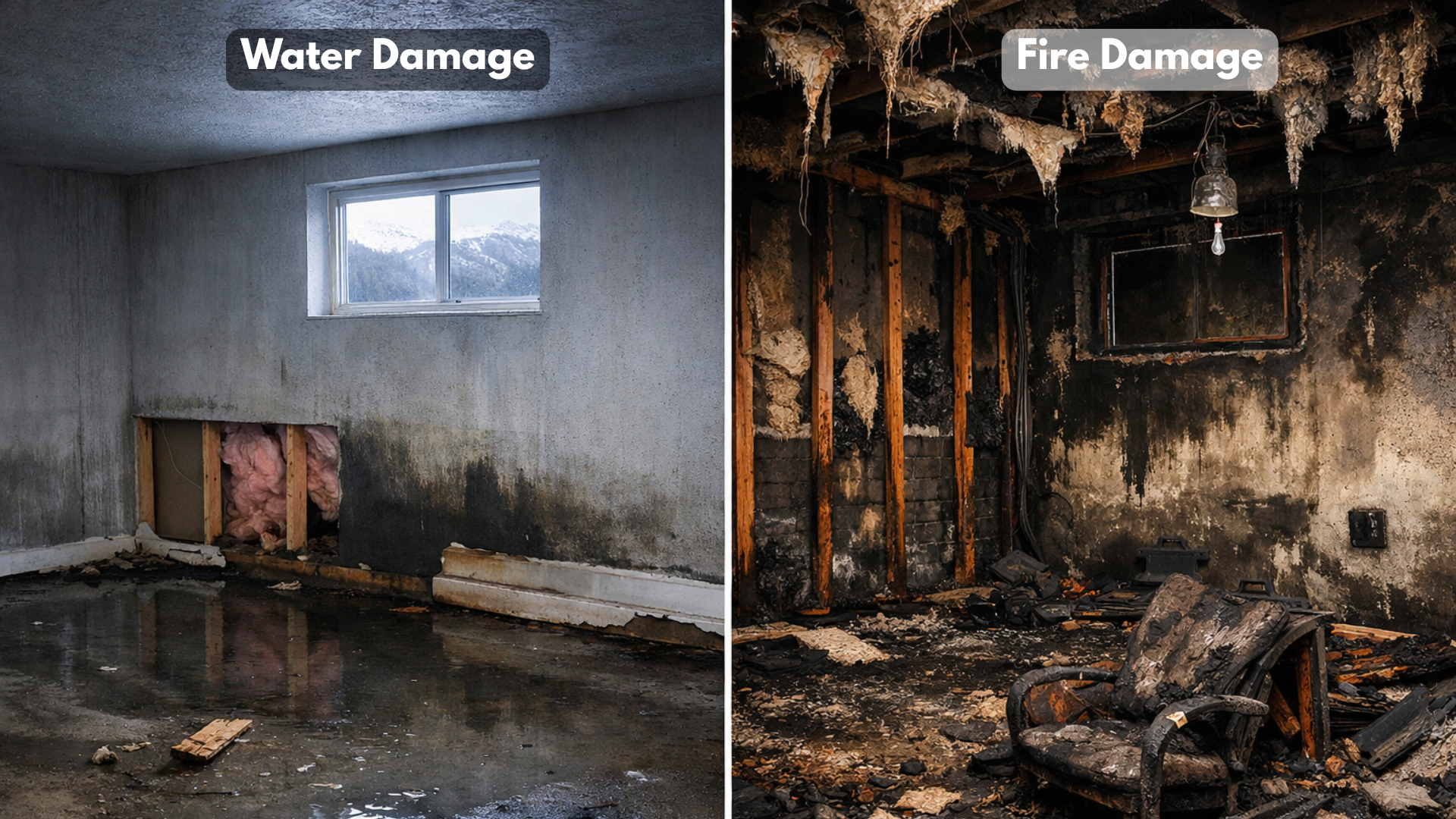
If you ask most homeowners what they fear more, fire or water damage, the answer is usually fire.
Fire feels dramatic. Immediate. Devastating.
Water, on the other hand, seems manageable at first. A leak under the sink. A burst pipe in the winter. A flooded basement after snowmelt. It does not always look catastrophic. But after years of handling both types of property loss, we have seen something surprising. The damage homeowners underestimate often becomes the most expensive.
At SOCOM Restoration, we manage both water mitigation and fire damage restoration Salt Lake City projects. One of the most common questions we hear is simple. Which one costs more?
The honest answer is that it depends on the scope, the speed of response, and the level of hidden damage. However, understanding why costs escalate in each scenario can help you make faster, more informed decisions if disaster strikes.
Why Is Water Damage So Expensive?
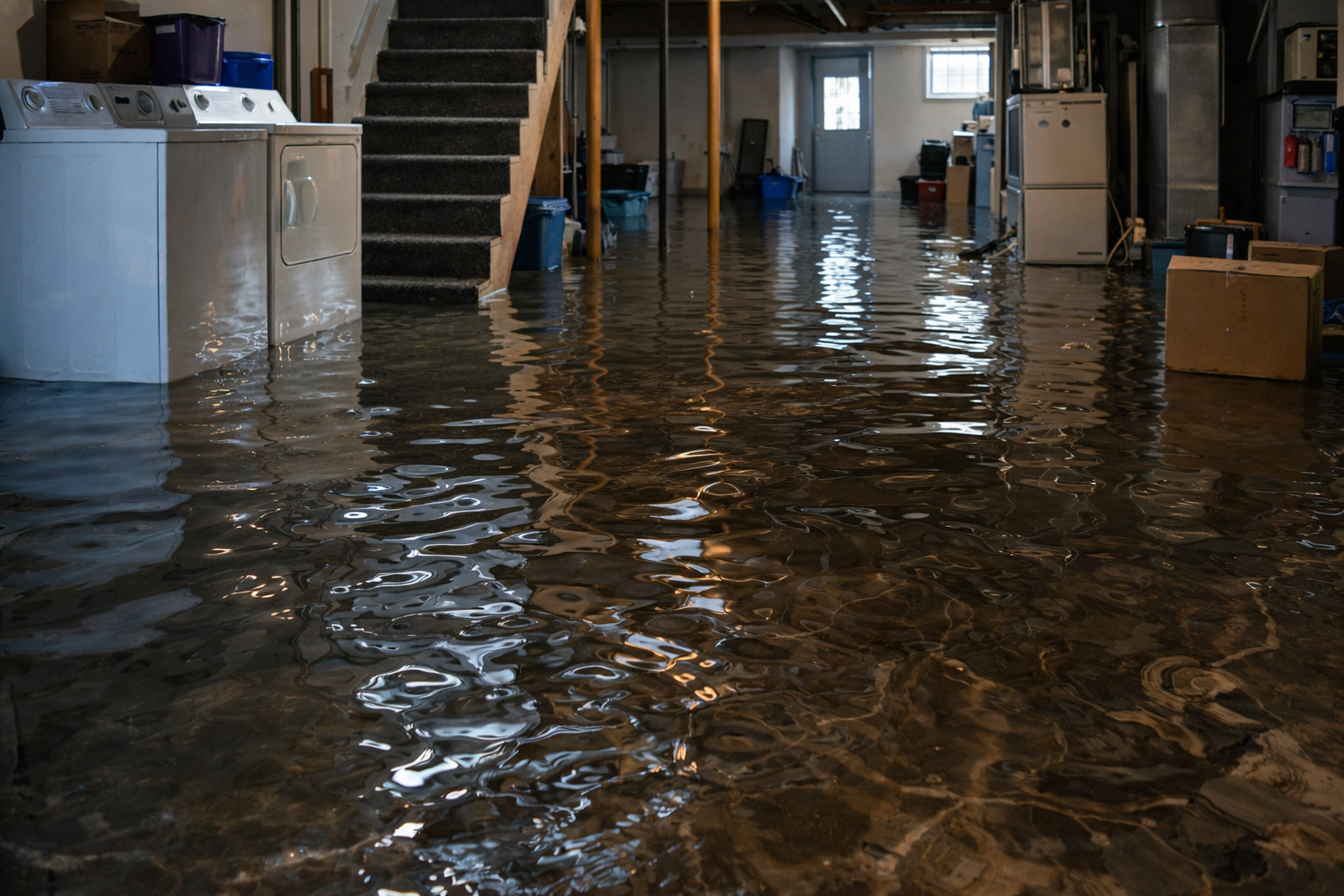
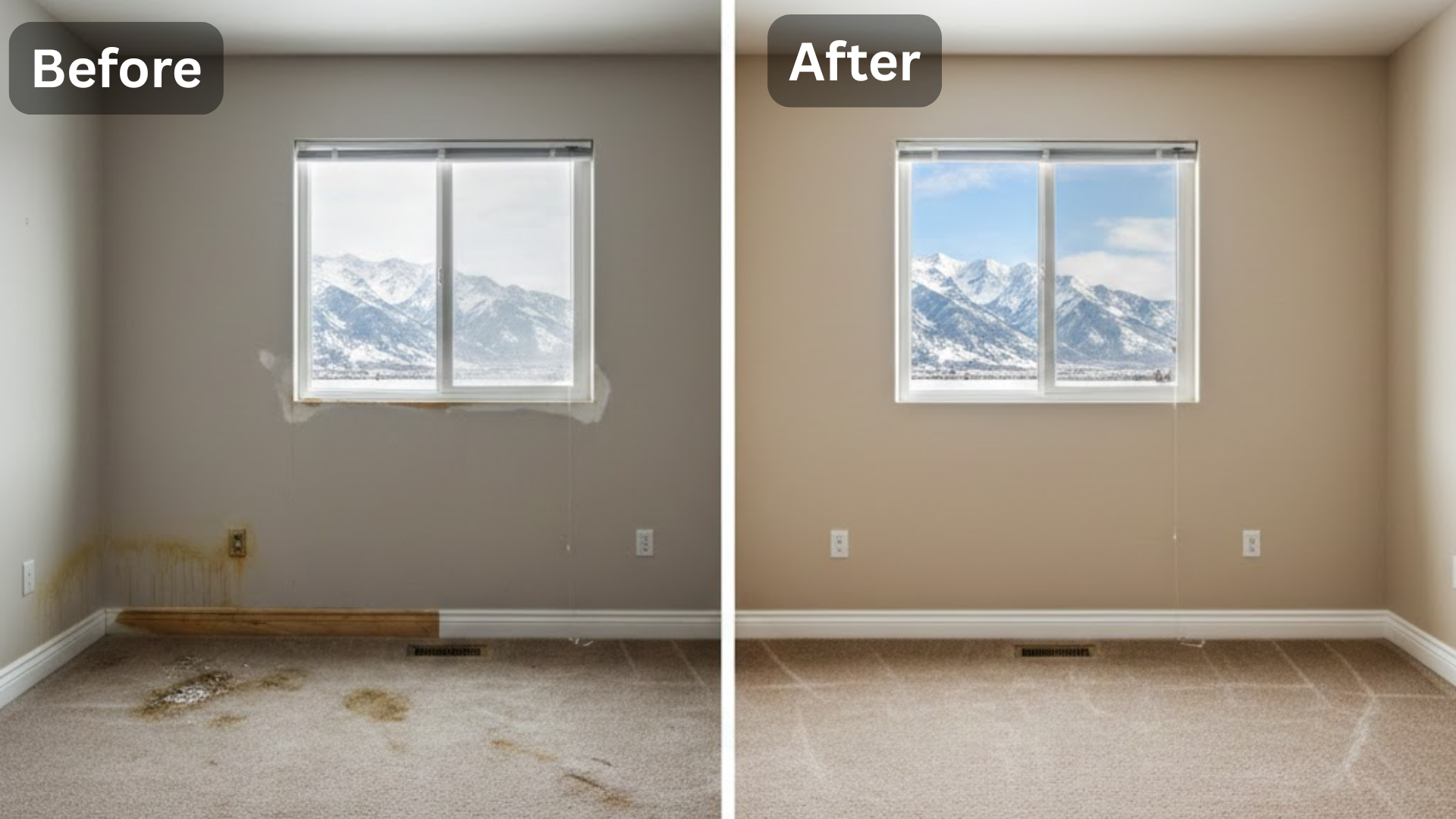
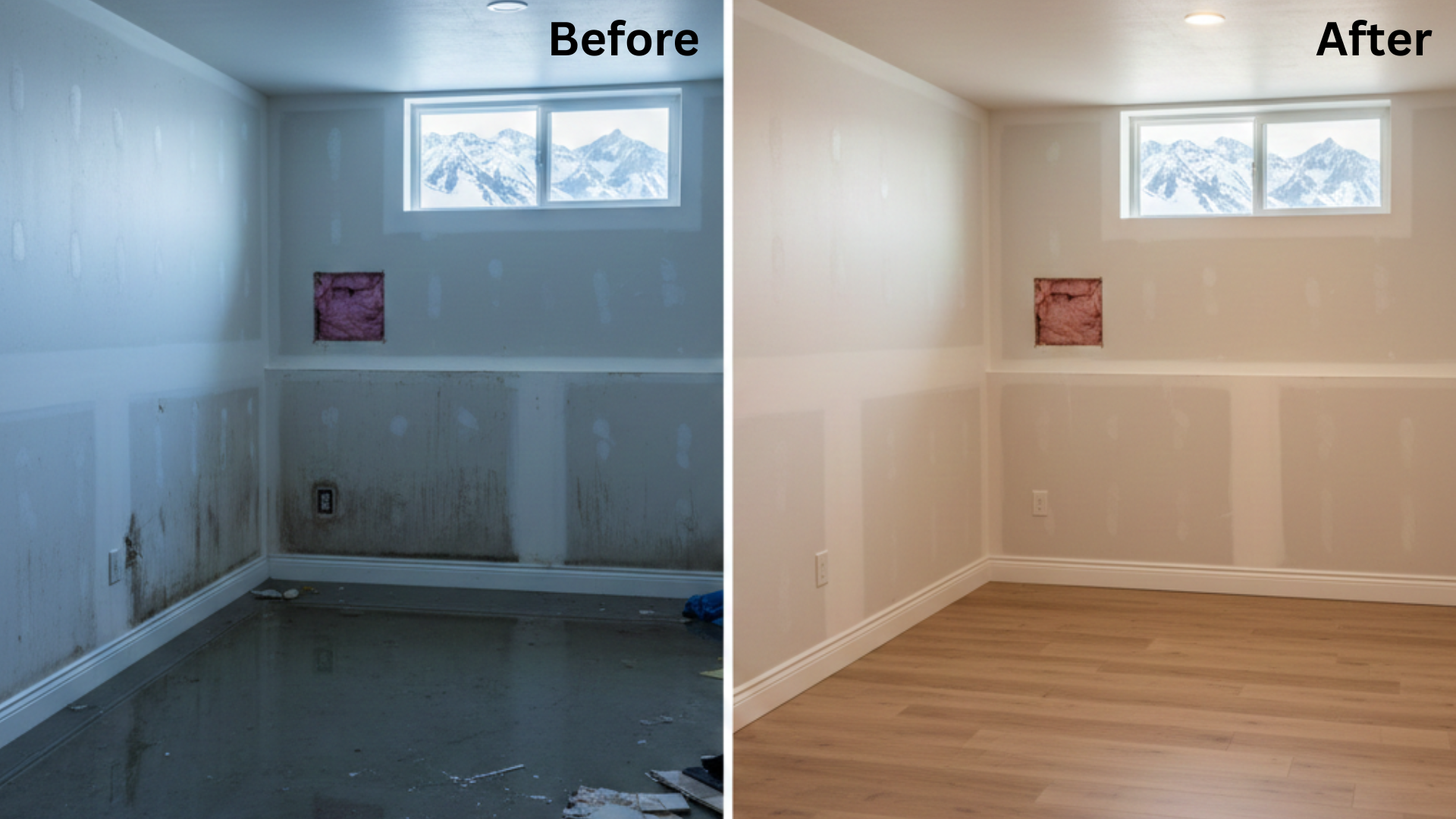
Water damage is expensive because it spreads quickly, penetrates deeply, and creates secondary damage if not handled properly. Unlike fire, which often impacts a defined area, water travels. It seeps into drywall, insulation, subflooring, cabinetry, framing, and even structural supports. A single pipe rupture can release gallons of water per minute, saturating hidden cavities inside walls and ceilings.
According to the Insurance Information Institute, water damage and freezing are among the most common and costly homeowners insurance claims in the United States.
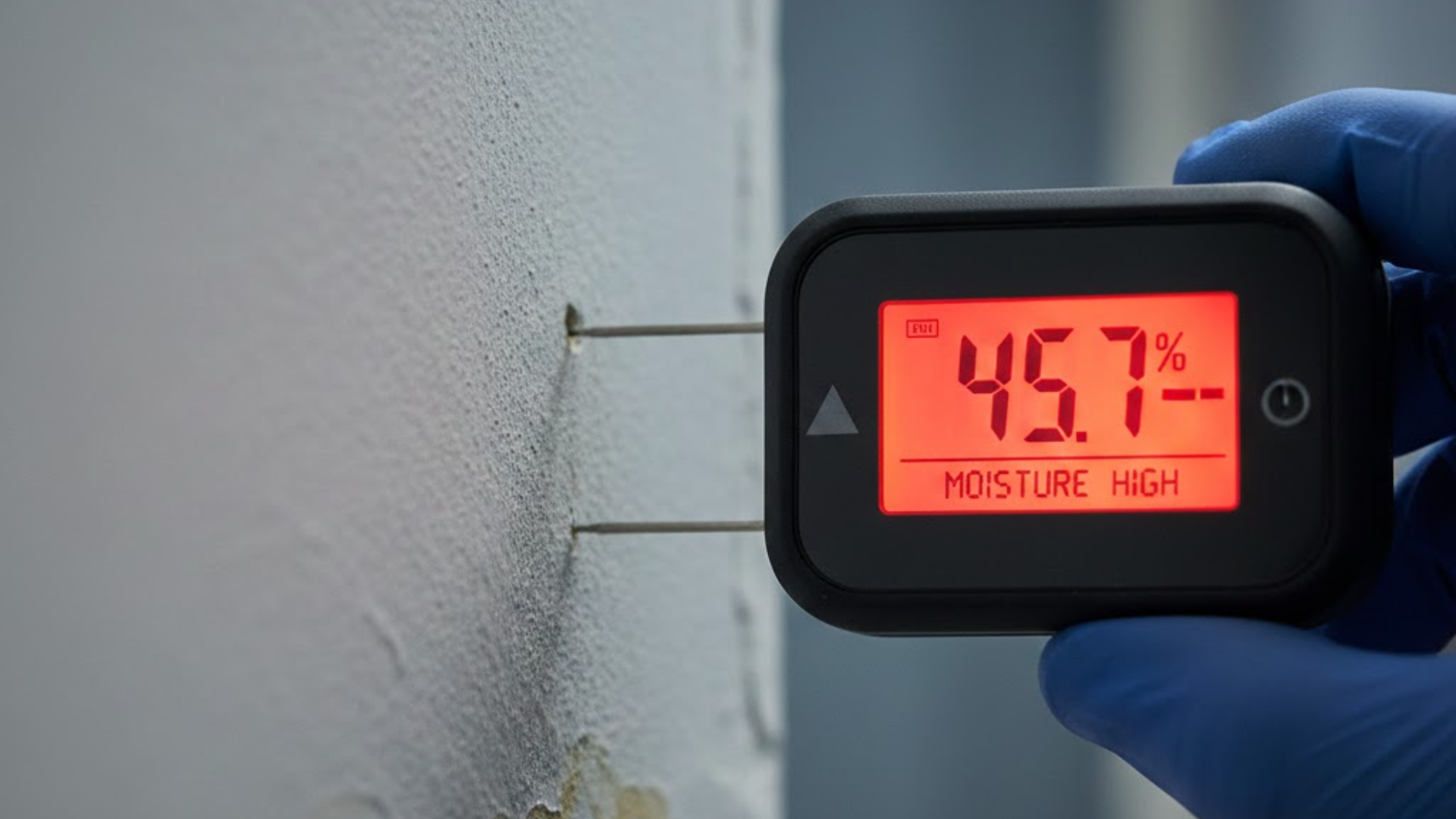
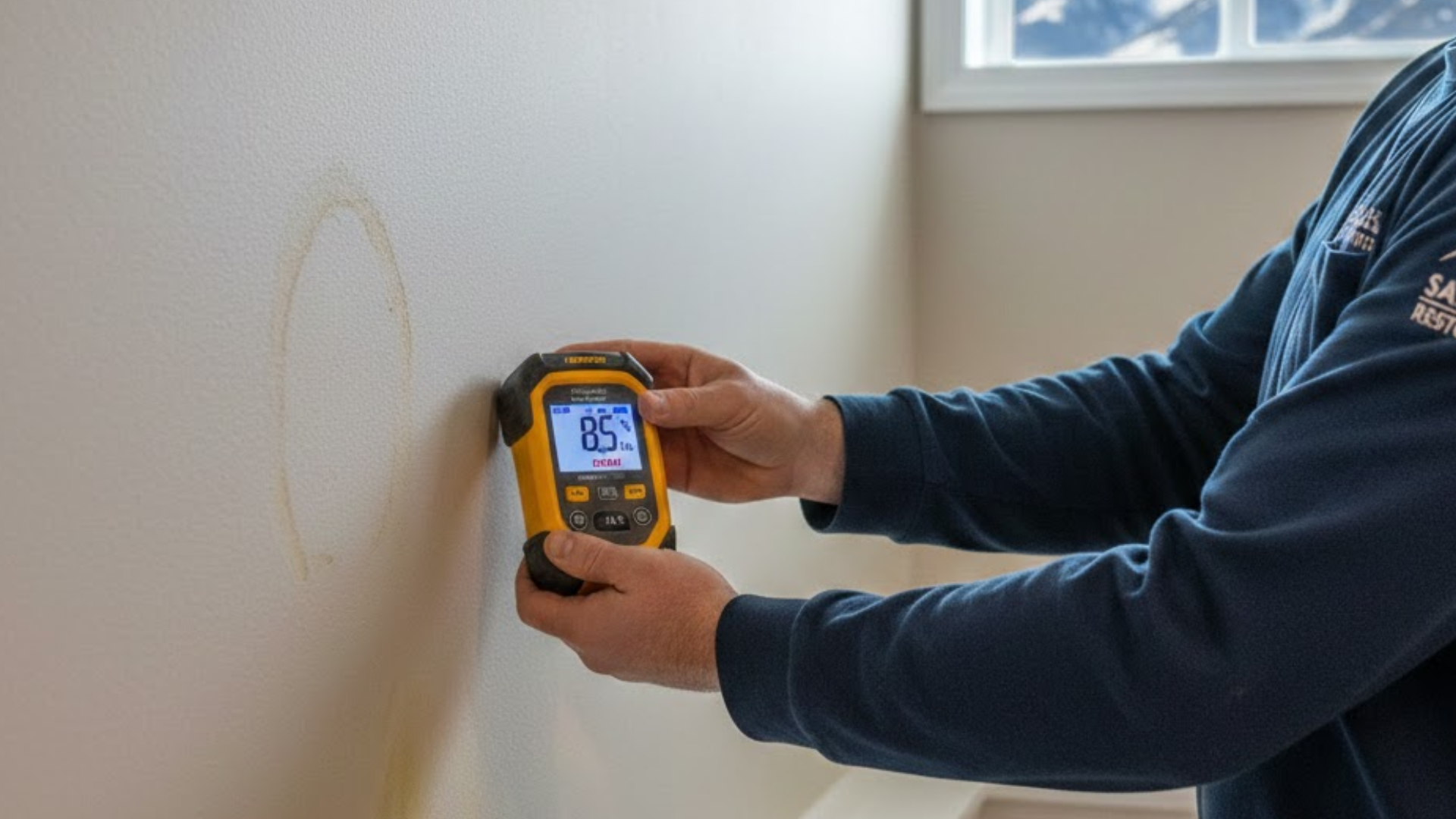
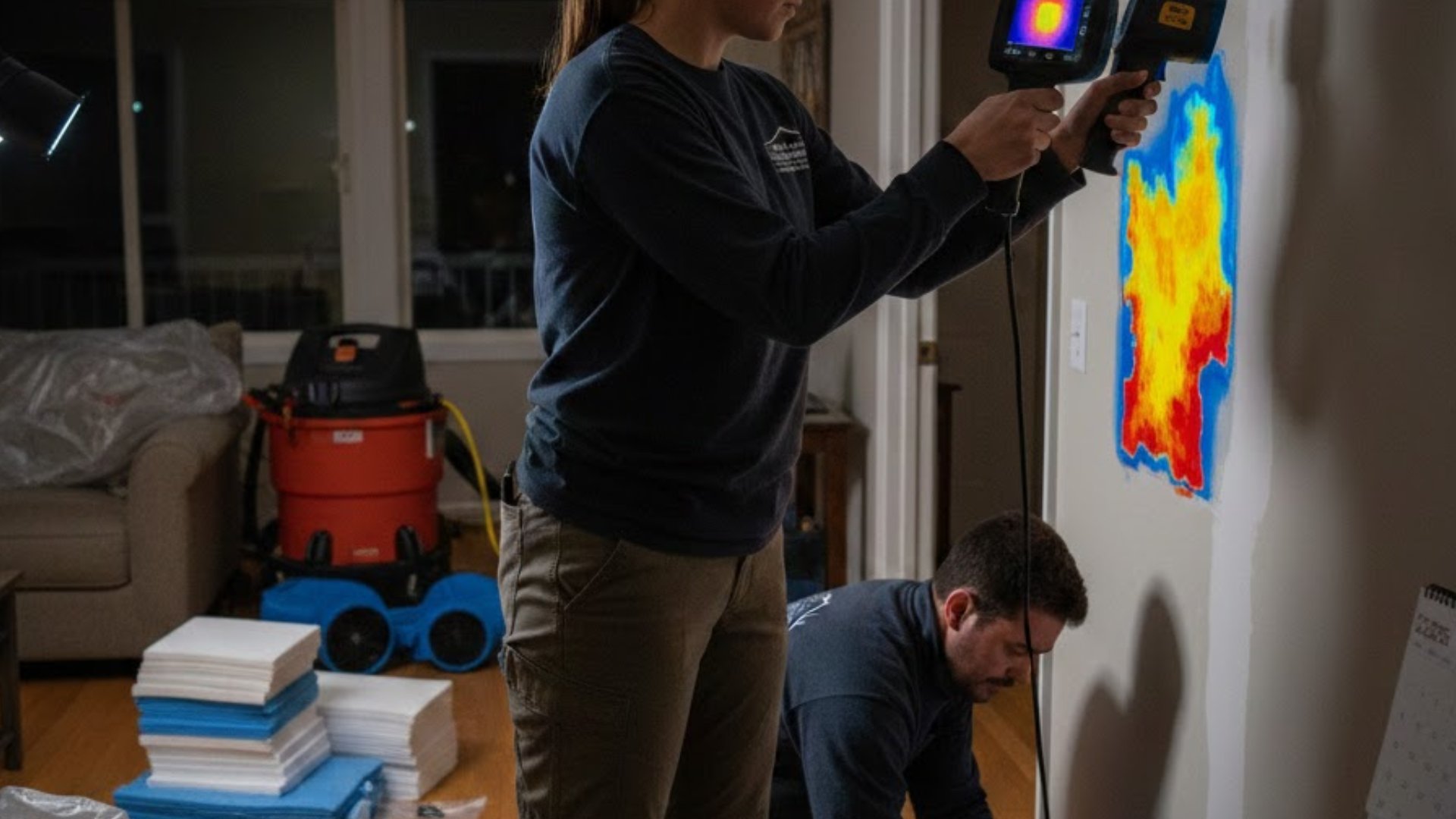
The true expense often lies in what you cannot see. Moisture trapped beneath hardwood flooring or behind drywall must be detected with specialized equipment and dried to safe levels. Without professional monitoring, residual moisture can lead to mold growth within twenty four to forty eight hours.
In comparison, fire damage restoration Salt Lake City projects often involve visible destruction. Water damage tends to hide. That hidden spread is what drives costs upward.
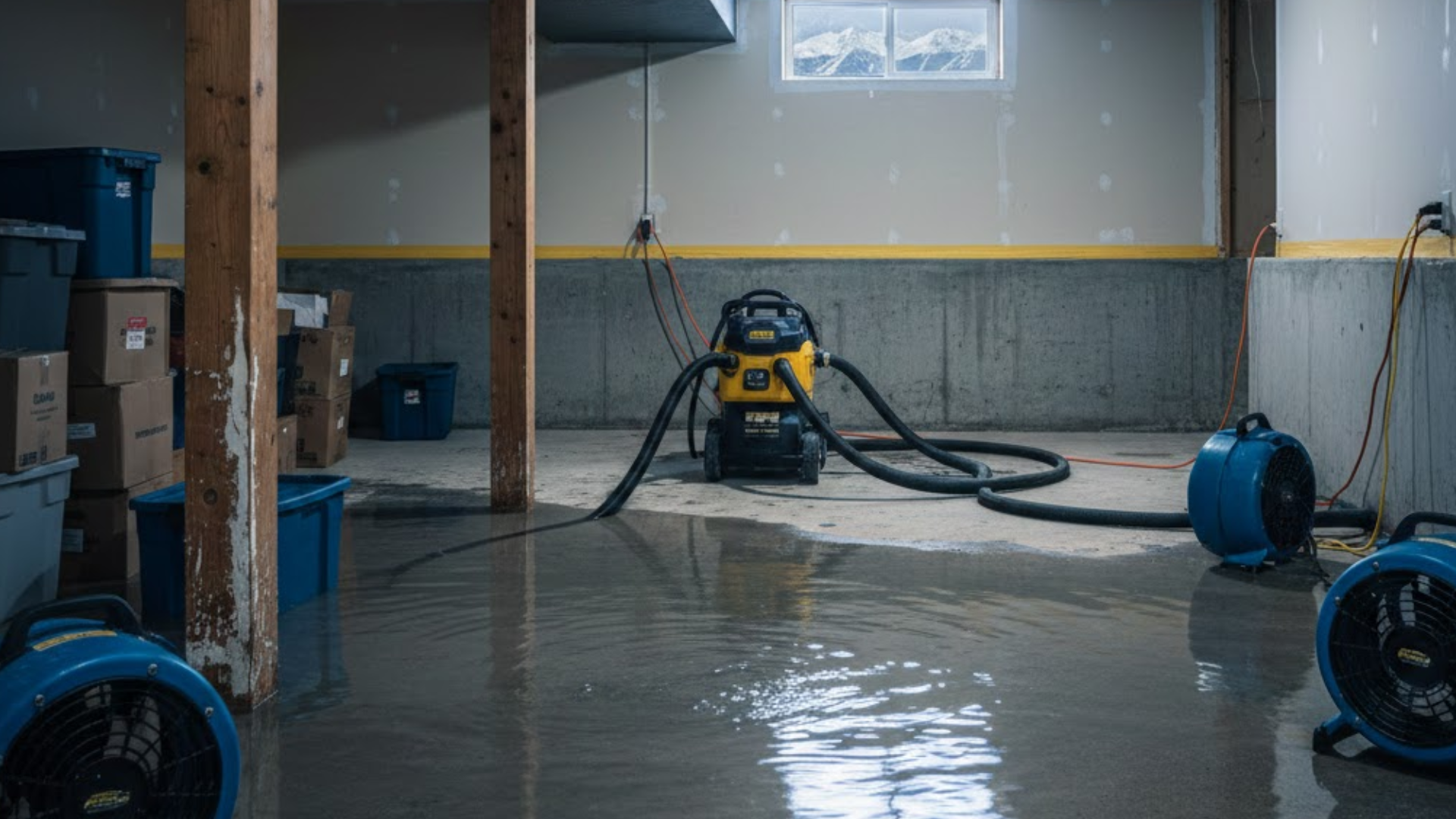
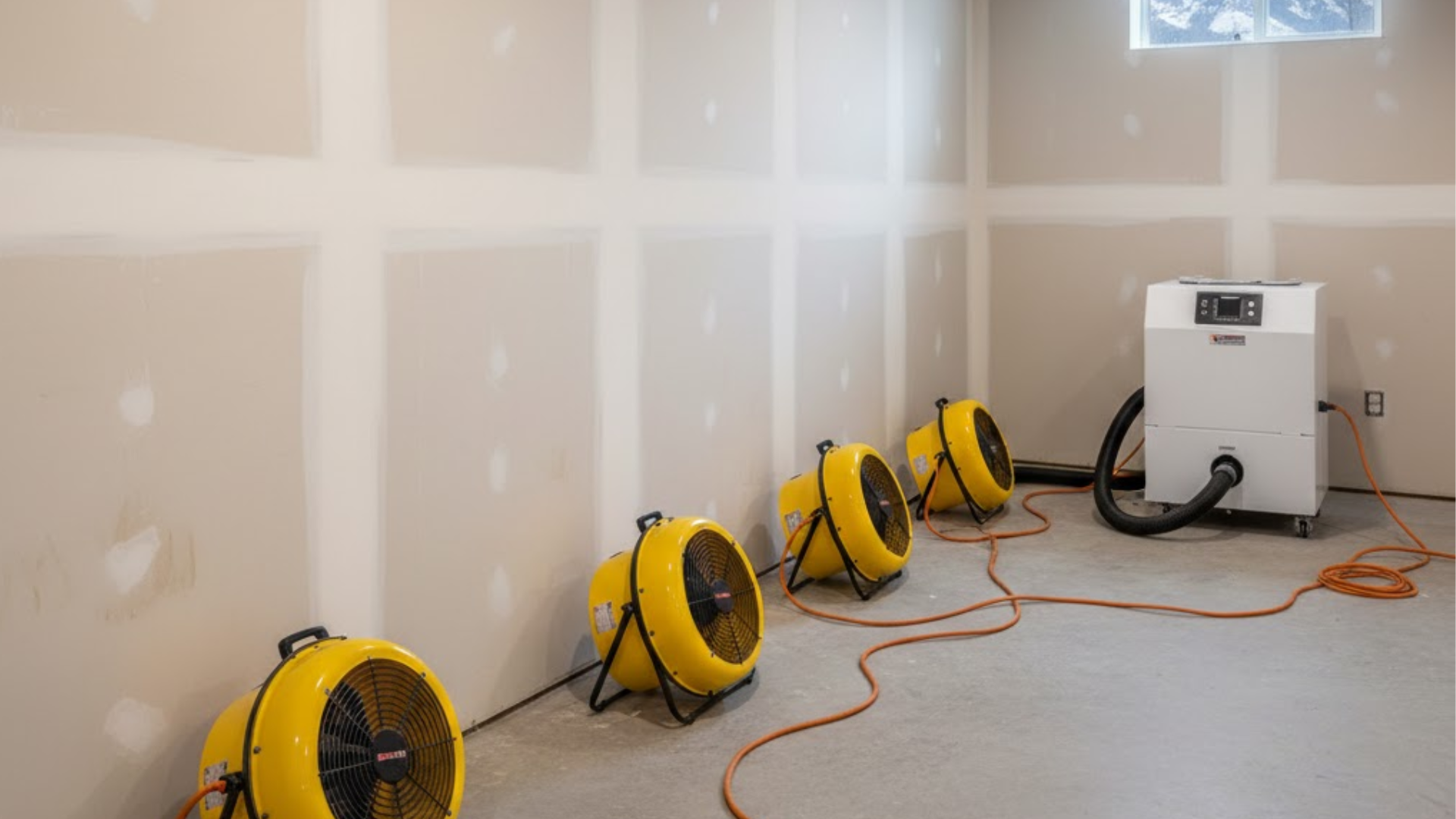
Professional restoration requires industrial extraction systems, commercial dehumidifiers, air movers, moisture meters, and daily monitoring. As trained restoration specialists, we follow strict drying standards and document moisture levels carefully to ensure projects pass county inspections with confidence. Proper procedure is not optional. It is required to prevent long term structural issues.
When evaluating potential costs, flood damage repair may initially seem less severe than fire damage restoration Salt Lake City services, but delayed action can reverse that assumption quickly.
Local Insight
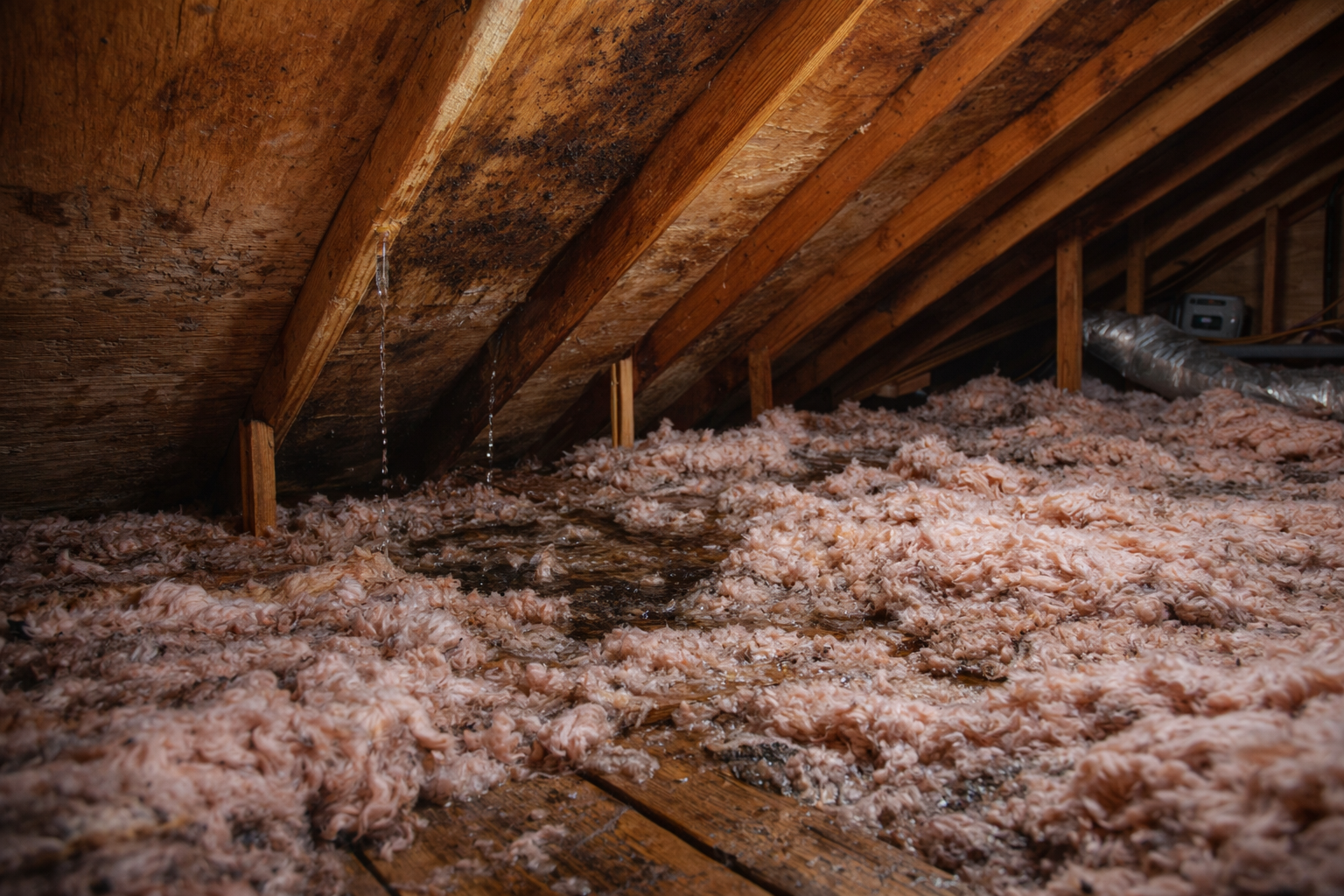
Utah’s climate plays a major role in both water and fire related losses. During winter freezes, we regularly respond to burst pipes in Sandy, Holladay, and across the Salt Lake Valley. In one case, a pipe burst in an attic while the homeowner was away. Water traveled through insulation, down wall cavities, and into hardwood flooring on the main level before being discovered.
At first glance, it appeared to be minor ceiling damage. Our moisture mapping equipment revealed otherwise. Elevated moisture was present behind walls and beneath flooring throughout multiple rooms. What looked small became a multi phase drying and reconstruction project.
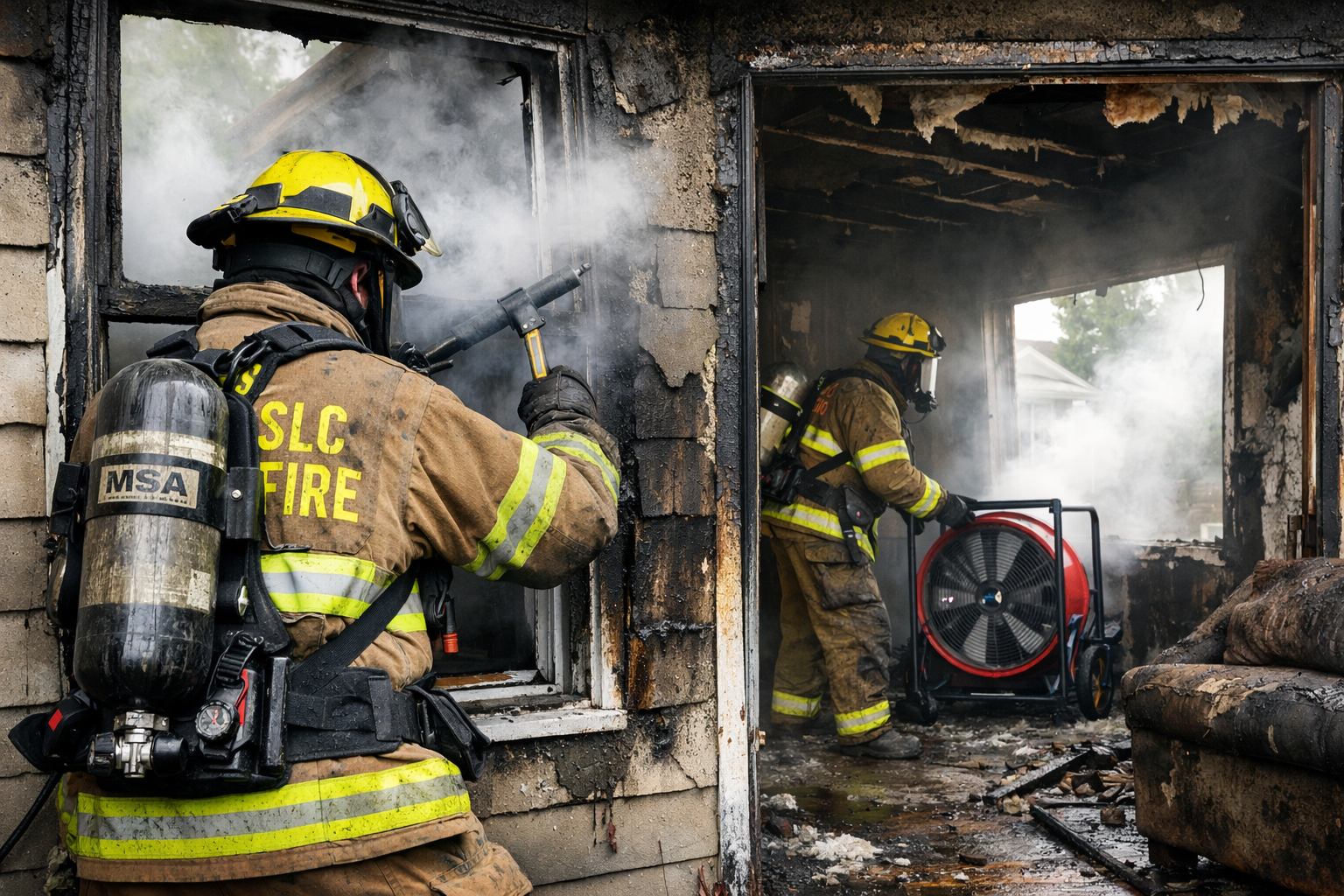
On the fire side, we have completed fire damage restoration Salt Lake City projects where flames were contained to one room but smoke and soot traveled throughout the entire house. HVAC systems distributed odor and residue into adjacent spaces. Fire damage restoration Salt Lake City services often require specialized cleaning, deodorization, and structural rebuilding.
In both cases, the visible damage represented only a fraction of the total impact.
Professional restoration requires extensive training in safety protocols, material science, structural drying, and code compliance. Our technicians complete industry certifications and ongoing education to ensure work is completed correctly the first time and inspection standards are met without issue. That professional approach is what separates thorough fire damage restoration Salt Lake City work from temporary fixes.
How Much Is A Water Damage Repair?
The cost of water damage repair varies significantly depending on the source, duration, and spread of moisture. A localized appliance leak may involve limited extraction and drywall replacement. A multi level burst pipe event can require full scale drying, removal of insulation, flooring replacement, and structural repair.
Water damage repair costs typically include extraction, equipment setup, moisture monitoring, removal of unsalvageable materials, sanitation, and reconstruction. When fire is involved, fire damage restoration Salt Lake City projects often include soot removal, smoke odor neutralization, content cleaning, and structural rebuilding.
It is important to gather detailed quotes before beginning work. Clear estimates outline mitigation versus reconstruction phases and identify what is included. Transparent communication reduces uncertainty during an already stressful time.
Fire damage restoration Salt Lake City services may also include addressing water used during firefighting efforts. In many fire incidents, water suppression compounds structural damage, requiring dual restoration strategies.
The most important factor affecting cost in both situations is speed. The sooner professionals assess the damage, the more likely secondary issues can be prevented.
Is Water Damage The Worst Type Of Damage?
Water damage can be among the most deceptive forms of property loss because it continues affecting materials long after the initial event. Fire damage is immediate and dramatic. Homeowners know action is required right away.
Water damage can appear minor. A damp carpet. A stained ceiling. A slightly warped baseboard. But moisture can weaken framing, damage subfloors, and create mold growth if not properly addressed.
Fire damage restoration Salt Lake City projects often involve rebuilding visible structural elements. Water restoration focuses heavily on preventing hidden deterioration. Neither type of damage is inherently worse. The determining factor is how quickly and professionally the situation is handled.
In our experience, the most expensive projects are not necessarily the most dramatic ones. They are the ones where response was delayed.
As professionals, we follow strict restoration protocols, maintain detailed documentation, and ensure all work meets local inspection requirements. That level of training and accountability protects homeowners long after reconstruction is complete.
Conclusion
So which is more costly, water or fire damage?
Both can be extremely expensive depending on severity and response time. Fire creates immediate structural destruction and smoke related contamination. Water spreads silently and compromises hidden materials if not thoroughly dried.
In Salt Lake City, freeze related burst pipes and winter heating systems increase risk for both events. Fire damage restoration Salt Lake City services and water mitigation projects each require specialized expertise, advanced equipment, and a methodical approach.
At SOCOM Restoration, we focus on professional standards, ongoing training, and thorough documentation so projects are completed correctly and pass inspections with confidence. Restoration is not simply about cleaning up visible damage. It is about protecting your home’s structural integrity and long term value.
Disasters are stressful enough. Clear information and professional guidance make the path forward far more manageable.
If your home has experienced fire or water damage and you need expert support, contact us today. Visit https://www.socomslc.com/ to schedule a professional evaluation and receive trusted fire damage restoration Salt Lake City services designed to restore your home safely and thoroughly.
Follow our social media pages below:
Let's connect! We’re here to help.
Send us a message and we’ll be in touch.
Or give us a call today at +1 801 2543174
Agency Contact Form
More Marketing Tips, Tricks & Tools