How Water Damage Leads To Mold Growth In Homes
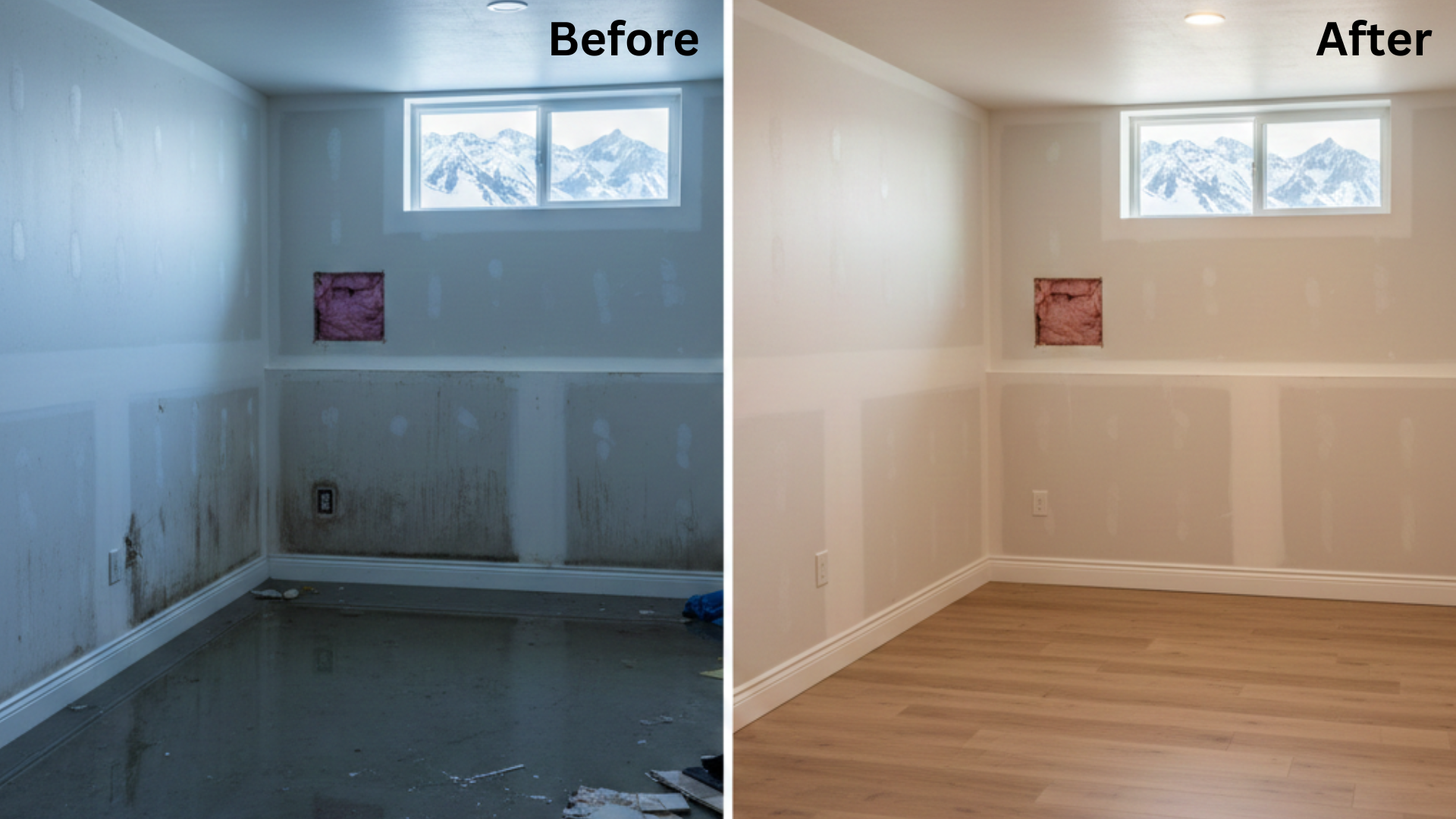
You fixed the leak. You dried the floor. You ran a few fans for a couple of days. Everything looks fine. Then you notice a faint musty smell. Maybe there is a thin dark line forming along a baseboard. Maybe your allergies feel worse when you are inside. That is when concern starts to build. Did that small water issue turn into something bigger?
At SOCOM Restoration, this is one of the most common conversations we have with homeowners. Water damage rarely announces long term problems immediately. Mold growth often begins quietly, hidden behind drywall or beneath flooring. Understanding how water damage leads to mold growth helps you act early and decide when mold testing Salt Lake City services are necessary.
Water damage and mold are directly connected. When moisture lingers, mold follows. The key is knowing why it happens and how to stop it before it spreads.
What Causes Mold From Water Damage?
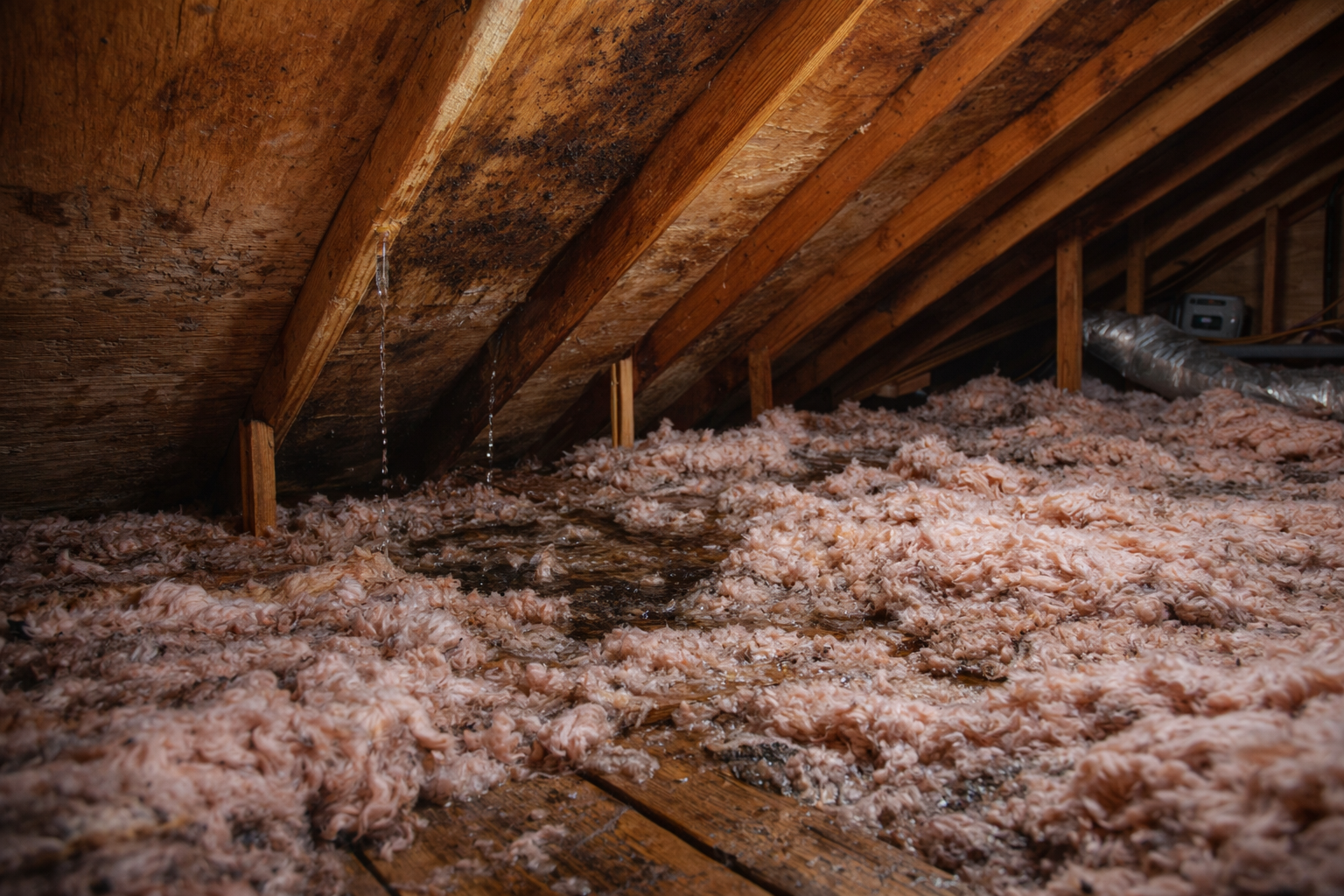
Mold from water damage is caused by excess moisture that remains trapped in building materials long enough for mold spores to activate and grow. Mold spores are naturally present in indoor and outdoor air. They are microscopic and invisible to the naked eye. Under normal dry conditions, they remain dormant. Once they encounter moisture and an organic surface such as drywall, wood, carpet, or insulation, they begin multiplying.
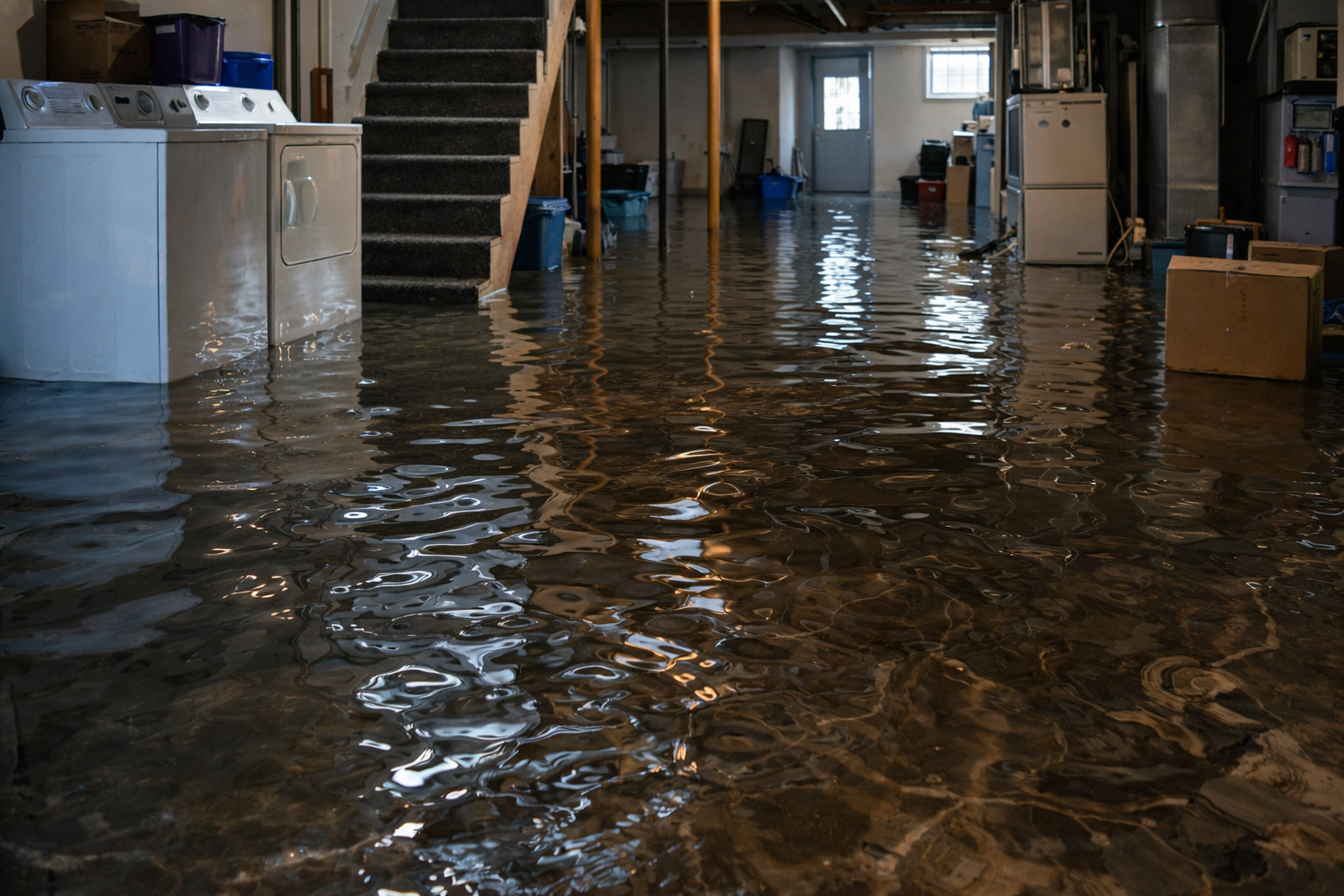
When water from leaks, flooding, burst pipes, or condensation soaks into materials and is not completely dried within 24 to 48 hours, conditions become ideal for mold growth. The U.S. Department of Housing and Urban Development notes that mold can begin developing within 24 to 48 hours if moisture is not removed quickly.
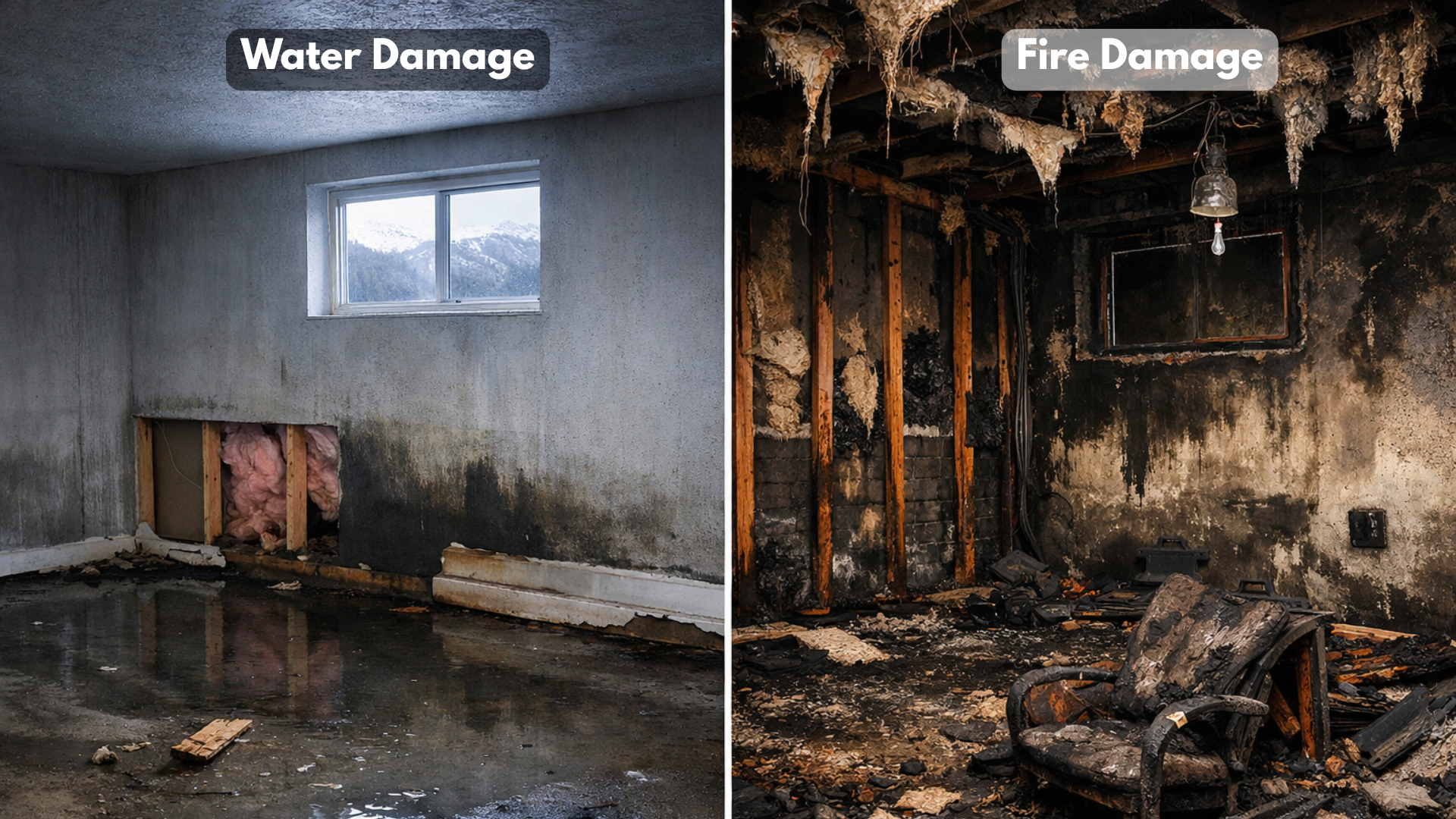
In Salt Lake City homes, mold growth often follows hidden moisture rather than dramatic flooding. Water seeps into wall cavities, under baseboards, and into insulation. Even if surfaces appear dry, interior materials may still hold moisture.
That is why professional water damage restoration Salt Lake City services focus on controlled structural drying rather than surface drying alone. And when there is uncertainty, mold testing Salt Lake City inspections help determine whether mold spores are present at elevated levels.
Mold is not a sign of poor housekeeping. It is a sign that moisture was not fully eliminated.
Why Mold Surprises Utah Homeowners
Utah’s dry climate can create a false sense of security. Many homeowners assume that because the air feels dry, water will evaporate naturally. While that may be true for a spill on tile, it does not apply to moisture trapped behind drywall or inside insulation.
We once worked with a homeowner in Sandy who had a slow plumbing leak behind a bathroom wall. The visible damage was minimal. There was no standing water. After the leak was repaired, they believed the issue was resolved.
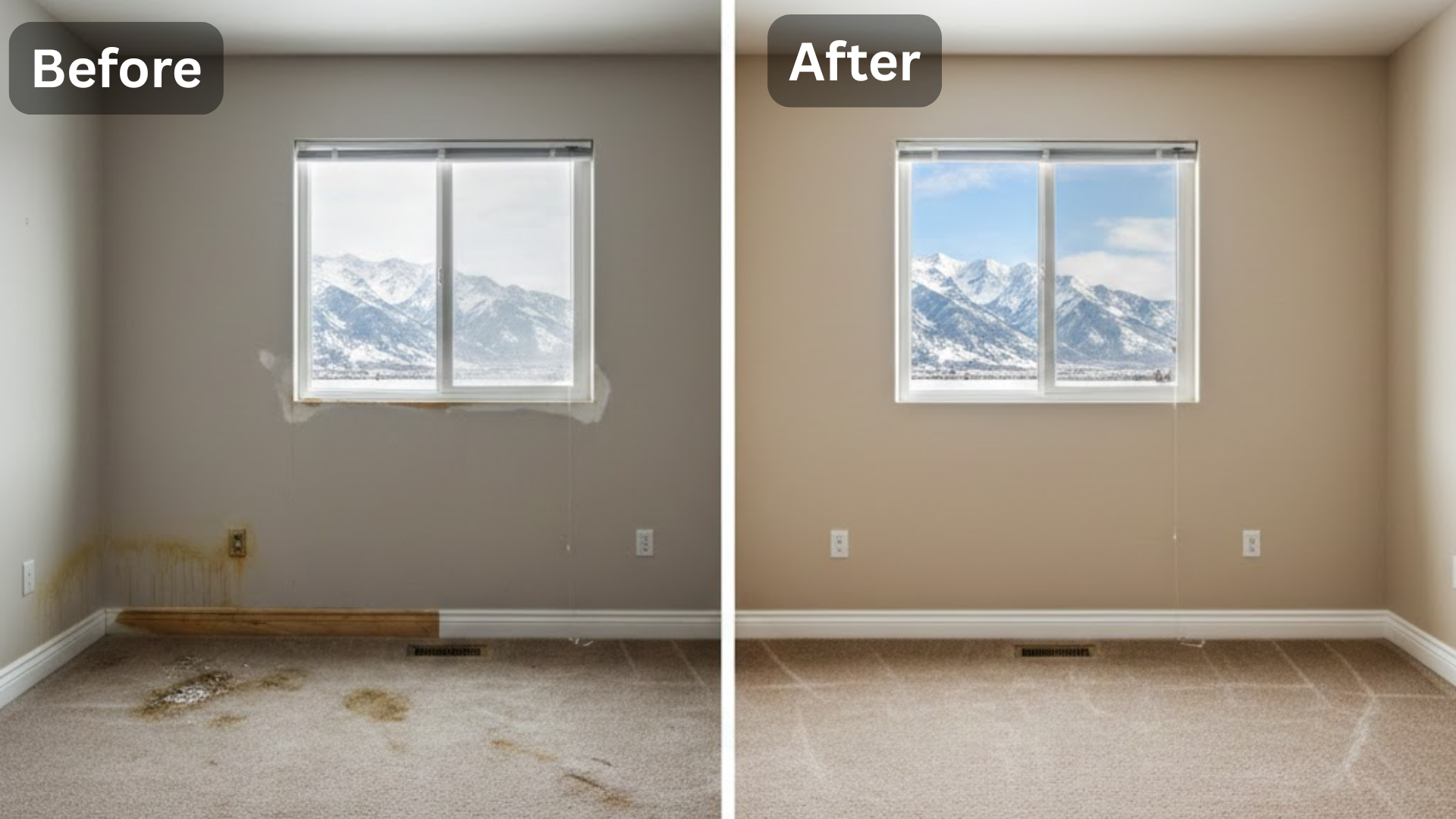
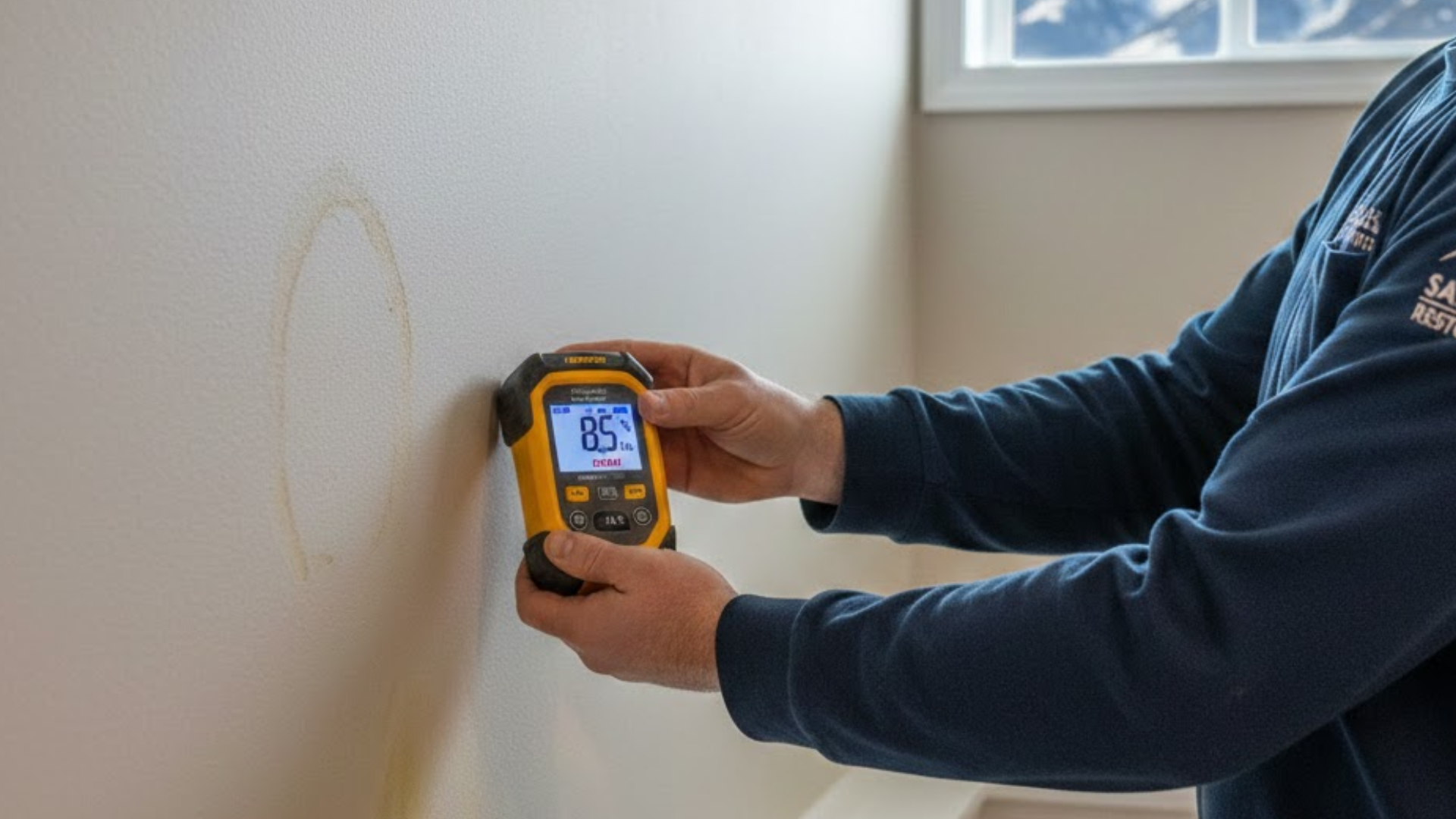
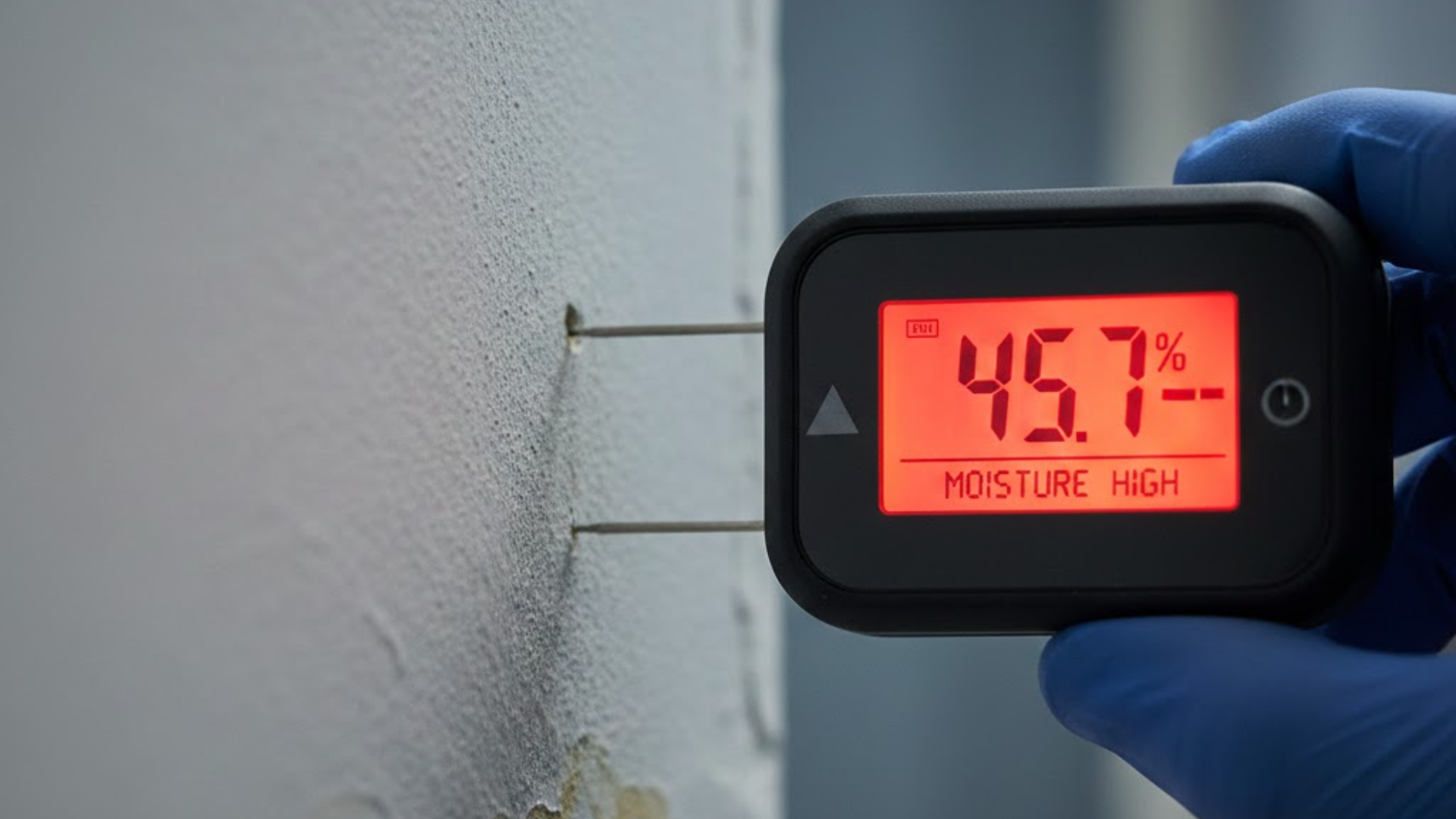
Weeks later, they noticed a musty odor and slight discoloration along the baseboard. When we conducted a moisture inspection, which often leads to mold testing Salt Lake City evaluations if necessary, we found elevated moisture readings inside the drywall cavity.
The leak had been minor but persistent. Moisture accumulated gradually. Mold began forming where no one could see it.
This pattern is common in mold remediation Salt Lake City projects. The original water damage appeared manageable. Surface materials dried. Hidden moisture remained.
Winter freeze events make this even more common. Burst pipes in attics or crawl spaces allow water to travel downward into insulation and framing. If drying is incomplete, mold growth can begin quietly behind walls.
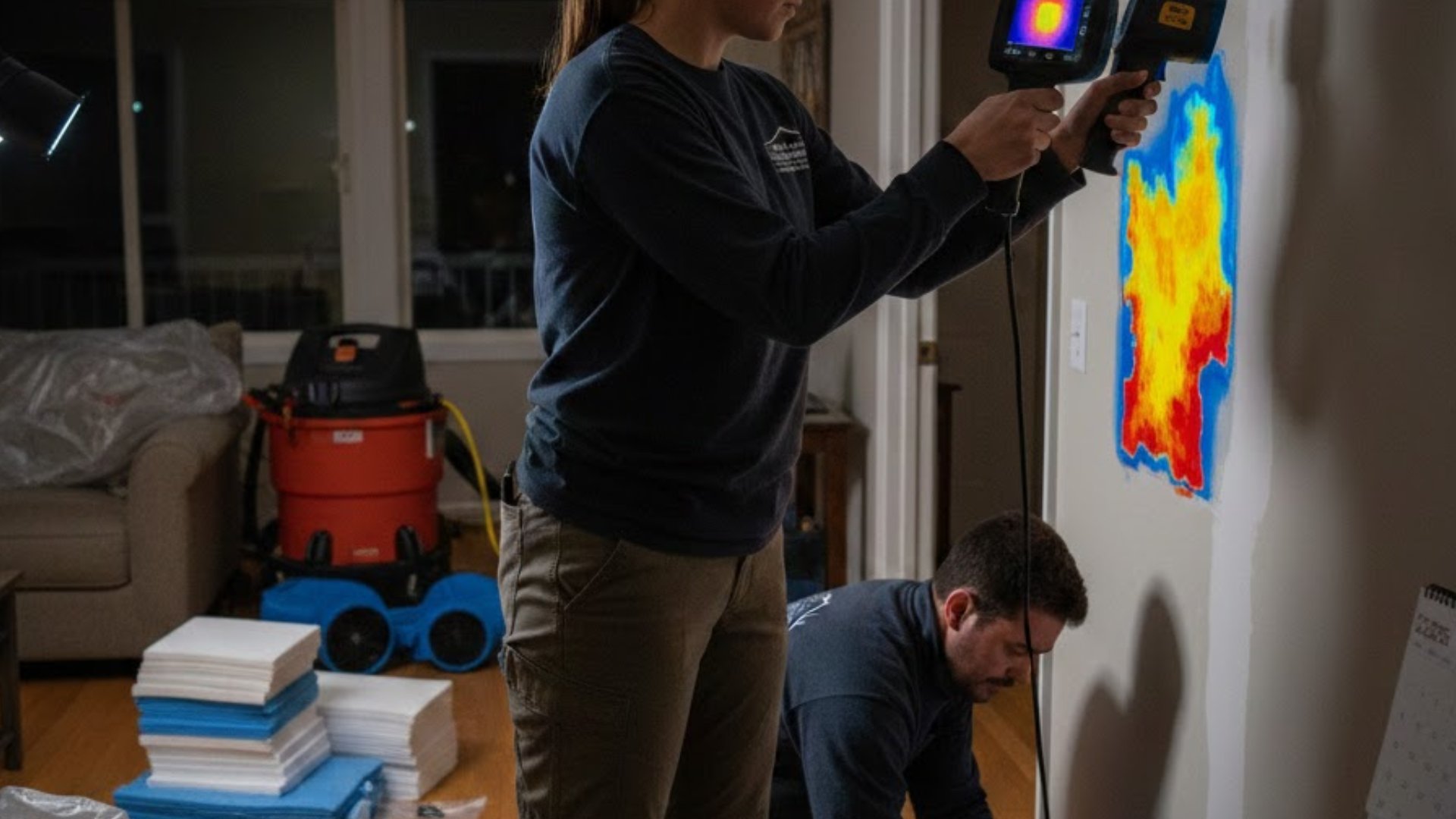
At SOCOM Restoration, we rely on moisture meters, thermal imaging, and when appropriate, mold testing Salt Lake City services to confirm whether growth is present. Professional evaluation removes guesswork.
How Long Until Water Damage Causes Mold?
Mold can begin forming within 24 to 48 hours after water exposure if materials remain damp. The timeline depends on several factors, including temperature, humidity, airflow, and the type of material affected.
Drywall and insulation are especially vulnerable because they absorb water quickly and provide organic material that mold can feed on. Carpet padding and wood framing also retain moisture if not dried thoroughly.
Enclosed spaces such as wall cavities, basements, and bathrooms accelerate growth because airflow is limited. Even in Utah’s relatively dry climate, indoor environments with trapped moisture create ideal conditions.
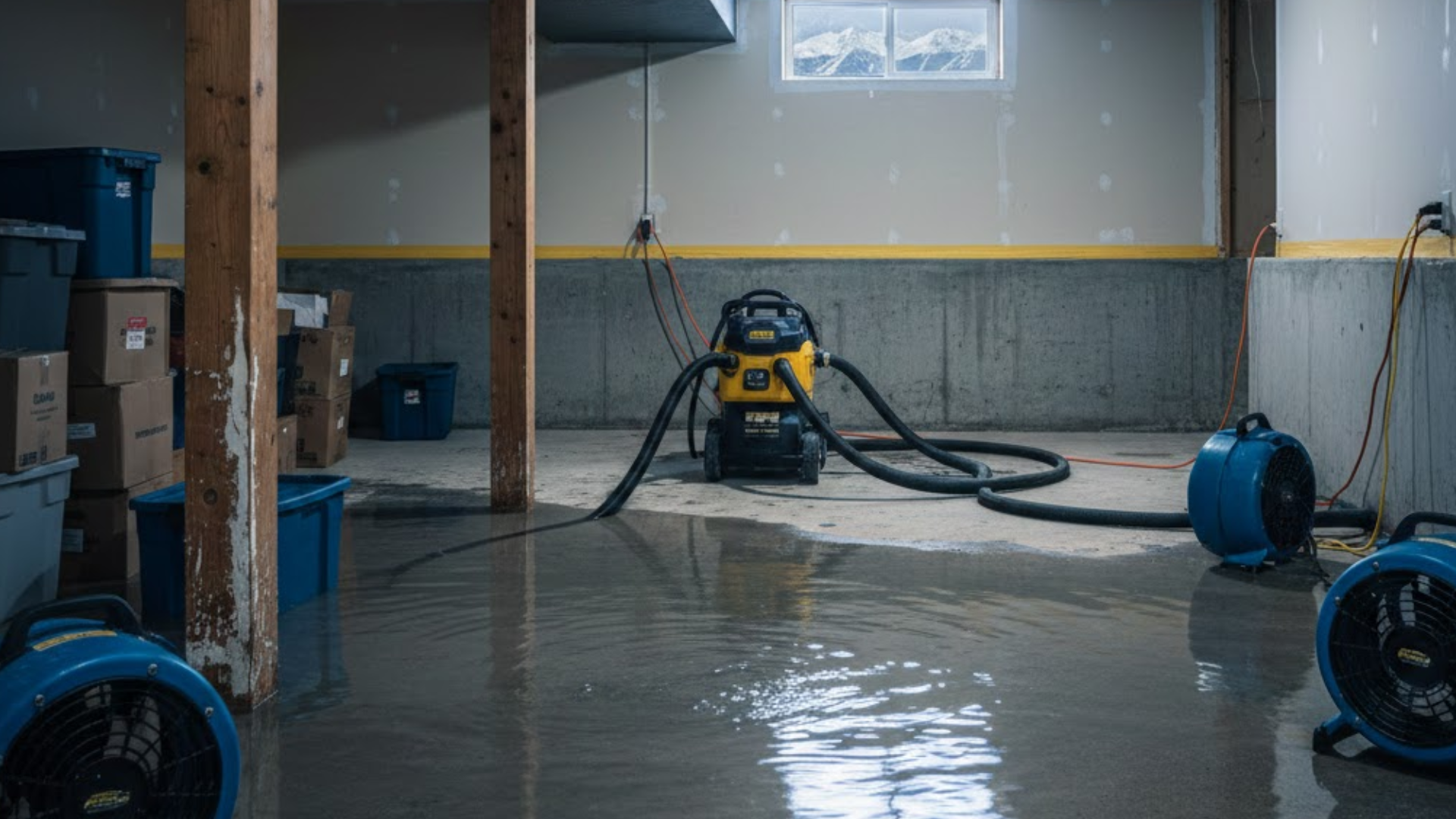
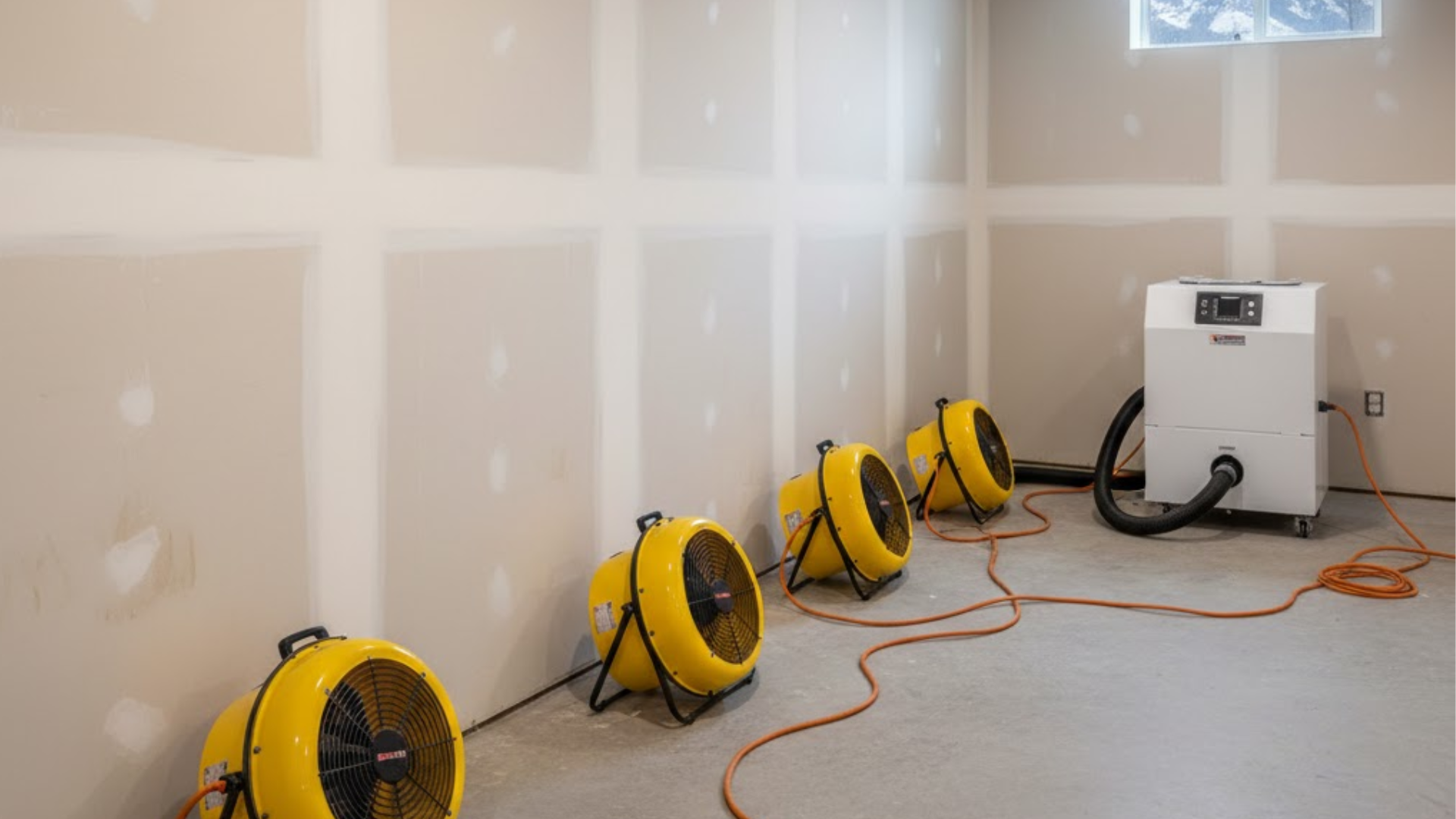
This is why rapid response after water damage is critical. Professional water damage restoration Salt Lake City teams focus on immediate extraction, controlled drying, and daily moisture monitoring.
Surface dryness is not the objective. Structural dryness is. If you suspect that mold may have developed after a leak or flood, mold testing Salt Lake City services provide clarity. Testing determines whether spore levels are elevated and whether remediation is necessary.
How Does Water Affect Mold Growth?
Water fuels mold growth in two primary ways. First, it directly saturates porous materials such as drywall, wood, and insulation. These materials provide both moisture and nutrients for mold spores to grow.
Second, water increases indoor humidity levels. Even areas that were not directly soaked can experience elevated moisture in the air. Without proper dehumidification, mold may begin forming in adjacent rooms or concealed spaces.
After flooding or leaks, indoor humidity often rises significantly. Professional water damage restoration Salt Lake City services include industrial dehumidifiers and air movers designed to reduce both material moisture and airborne humidity.
At SOCOM Restoration, we treat drying as a scientific process. Our technicians undergo extensive training to understand moisture dynamics, vapor pressure, and structural drying standards. We measure moisture levels daily and document progress to ensure materials return to safe thresholds.
This professional approach ensures that when drying is complete, it truly meets safety standards and passes county inspection requirements. When humidity is not properly controlled, mold remediation Salt Lake City services often become necessary later. Preventative drying is far less disruptive than full remediation.
If homeowners are uncertain about lingering moisture, mold testing Salt Lake City inspections can confirm whether conditions remain conducive to growth.
Will Mold Go Away If Moisture Is Removed?
Removing moisture stops active mold growth, but it does not eliminate mold colonies that have already formed. If moisture is addressed quickly within the first 24 to 48 hours, mold growth may be prevented entirely. However, once colonies develop, simply drying the area will not make them disappear. Affected materials may need to be cleaned or removed.
Small areas of mold can sometimes be addressed with targeted cleaning. Larger or concealed growth requires professional mold remediation Salt Lake City services to remove contaminated drywall, insulation, or flooring safely.
This is where mold testing Salt Lake City services play a critical role. Testing helps determine whether spore levels are elevated and whether remediation is warranted. It provides data driven answers rather than assumptions.
At SOCOM Restoration, we approach mold concerns methodically. We evaluate moisture, conduct testing when appropriate, and create clear remediation plans if needed. Our technicians receive ongoing training to ensure work is completed correctly and in compliance with industry standards. The focus is not on doing more than necessary. It is on doing the work right so the problem does not return.
Why Professional Expertise Matters
It is understandable to hope that once a leak is fixed, the issue is over. But mold growth is often hidden and gradual. Professional mold testing Salt Lake City services provide objective information. Instead of guessing based on smell or appearance, homeowners receive measurable results.
Our team at SOCOM Restoration completes extensive training in moisture inspection, structural drying, and remediation protocols. We understand how to detect hidden moisture and determine when mold testing Salt Lake City evaluations are appropriate.
This approach centers restoration around professional standards rather than temporary fixes. It ensures that when mold is addressed, it is handled thoroughly and safely. Peace of mind comes from verification, not assumption.
Conclusion
Water damage does not always end when the visible water is gone. Mold growth begins when moisture lingers unseen. In Salt Lake City homes, hidden moisture inside walls and insulation often creates the perfect conditions for mold to develop. Acting quickly after water damage significantly reduces the risk. Professional drying verifies structural dryness. And when there is doubt, mold testing Salt Lake City services provide the clarity you need.
You do not have to wonder whether mold is present. You can confirm it. At SOCOM Restoration, we combine moisture inspection expertise, controlled drying, and professional mold testing Salt Lake City homeowners rely on to protect indoor air quality and structural integrity. Visit https://www.socomslc.com/ to schedule an inspection and protect your home with trusted local expertise.
Follow our social media pages below:
Let's connect! We’re here to help.
Send us a message and we’ll be in touch.
Or give us a call today at +1 801 2543174
Agency Contact Form
More Marketing Tips, Tricks & Tools